
Contents
8 Reasons Your Car Makes Noise When Braking at Low Speed
A car can make lot of noise when braking at low speed. Usually it gets noticed more because the cabin feels quieter and the driver can catch every little noise more clearly. In many cases, that brake noise starts with light vibration in the braking system, then turns into a pattern that keeps occurring whenever the brakes are used at low speed. It may happen as the wheel keeps turning and the speed is decreasing toward a total stop.
The working of braking depends on the mode of friction. A braking pad presses against the rotor that is attached to the wheel. When the brake paddle is used, braking becomes applied through hydraulic oil, and the pad starts pressing and squeeze against the rotor. During this process of braking, even a small defect in the elements involved can create unusual sound. Knowing the causes and fixes helps the driver understand what is happening and how to prevent bigger problems.
What are the reasons for Noise when braking at low speed?
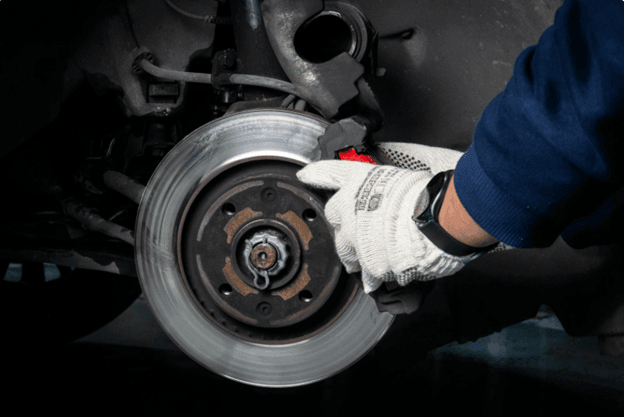
There can be several reasons behind noise when braking at low speed. Any strange noise should be taken as a sign to stay careful because it can act like a warning from the braking system. A basic soundcheck often helps identify the sources of the issue, whether the noises come from pads, rotors, shims, screws, or dirt trapped inside. The main reason is often wear, poor-quality parts, or lack of maintenance.
Sometimes the sound is harmless for a short moment, but sometimes it points to damage that is growing quietly. That is why the driver should not ignore repeated brake sounds at lower speeds, especially when the sound gets stronger day by day.
Worn braking pads
Worn braking pads are one of the most common reasons for strange sounds during braking. Brake pads are made from a mixture of materials like graphite, iron, and copper, all bonded together to form the brake pad. Each time the driver apply brakes, that material keeps wearing out little by little.
Once the pad gets too thin, the outer metal cover can start to touches rotors, creating a creaking noise at low speed. If that continues for a long time, the driver should change immediately because it can cause serious damage to other braking elements and may even damage totally the rotor surface.
Cheap/low quality braking pads
Cheap braking pads or low quality braking pads often cause noise even when they are still new. A proper set of brake pads uses a tested mixture of different elements, and the pad bond is prepared by manufacturers in a certain ratio to give the best braking effect and also stop noise as much as possible.
Many cheap aftermarket braking pads are manufactured without enough precision in the selection of substances. The lower price may look attractive, but quality sacrificed usually means more sounds as the pad starts to rub or scrape the rotor surface. In many cases, changing braking pads to original pads solves the problem.
Worn-out rotor disks
Worn out rotor disks can also create brake sound at slow speeds. Rotors start wearing out every time the vehicle is braked, and this gets worse when worn out braking pads, a cheaper braking pad, or a low quality braking pad is used for too long. That can leave scratches on the surface of rotors while they should remain flat for smooth braking.
Sometimes heat also plays a part. After washing car, exposing rotors to cold water while they are still hot can cause slight deflection. That may lead to sounds, irregular vibrations, and a shake when the driver press brake pedal.
Solid items in between rotor and pad
Sometimes the issue is simple. Solid items can get stuck between the rotor and pad, especially when the car is driven in a dusty environment. Tiny bits from the road can enter the braking parts, including dust, dirt, grime, tiny rocks, and sands.
When that happens, the driver may hear grinding sounds from the brakes even if the main parts are still in decent condition. Cleaning the brake area often fixes this quickly.
Parking your car for too long
Parking your car for too long can also bring brake noise. When a vehicle stays parked in a garage or outside in bad weather, the air and water vapor can create a light rust layer on the rotors. That corrosion may also affect other elements in the braking system.
The first few brake applications after long parking may sound rough or squealy. Sometimes that rust clears away after a short drive, but if the layer is deep, the brakes may need proper inspection.
Unlubricated caliper screws
Unlubricated caliper screws are another overlooked cause. A scraping noise during braking can come from lack of lubrication around the caliper screws or bolts that should move smoothly.
A skilled mechanic can inspect the assembly, lubricate the correct points, and change damaged hardware if needed. This is a smaller issue than worn pads, but it can still be loud and irritating.
Worn Shims
Worn shims can make a surprising amount of sound. These brake pad shims are usually a thin rubber or metal adhesive layer that fits between the pad and the brake caliper to fill small gaps and reduce bad noise.
A worn out shim can allow metal to metal contact, which leads to grinding sound or knock sounds at lower speeds. During a proper brake job, the shim should be checked and replaced if damaged.
Types of the noise of Braking Systems
There are different types of noise in braking systems, and making a distinction between them helps a lot. Each different car braking noise can help a mechanic diagnose the defect by listening to the sound itself.
The three types most drivers notice are grinding, squeaking, and squealing. Each one usually points to a different level of wear or a different source inside the brake system.
Grinding noise
A grinding noise is usually the strongest warning sign. If a car makes this sound while braking, the safest choice is to stop immediately and inspect the system.
Often it means the brake pad is completely used up, causing metal to metal contact between the backing plate, caliper, and rotor. That can damage the rotor very fast.
Squeaking
Squeaking is common and often annoying. This annoying squeaking or light scraping sound may appear the moment the driver hit brake pedal reverses the car. It can happen when a brake pad is freshly installed, when the pad comes from cheaper qualities, or when a big flake of metal in the friction mixture drags along rotor and creates a sharp sound.
Sometimes the car noise is caused by a high quality braking pad too, especially in certain weather. In other cases, the sound is actually useful. Many pads include a brake wear indicator. This wear indicator starts making noise through a metal tab attached to the pad of the brake. Once the pad is worn out, the replacement sign becomes obvious because the indicator keeps dragging and starts to tell the driver it is time for a pad change.
Squealing
Squealing can happen when a car is left to park in an outdoor or wet area. Moisture settles on the rotors and forms a layer of rust on the rotor surface.
When the vehicle starts moving, the first brake applications may create a thumping or squealing sound, but it often vanished away after the rust breaks and gets stroked out by normal braking.
How to fix the brake noise problems
To fix brake noise problems, the first step is understanding that every noise in a braking system has a difference in meaning. The reasons behind the sounds can occur from pads, rotors, shims, bolts, or contamination. This section focuses on practical checks for finding the defecting part.
A proper inspection should move from simple things to bigger ones. That saves time and helps avoid replacing parts that are still good.
Find Loose parts
To find loose parts, the first step is to check the brake assembly after you remove front wheels from the car. A simple check is to wiggle the braking calipers, pads, and rotor by hand.
Every brake component should feel secure in the hands. Look for anything missing, damaged, or hanging by loose clips or bolts. These should be fixed immediately because even a small loose part can cause vibrating and noisy braking.
Apply Dampening Paste
Sometimes the issue is excessive vibration between braking parts. In that case, apply dampening paste to reduce the lousy noise that comes from movement between the pad and caliper, especially when there are no missing bolts, damaged shims, or bad clips.
This type of water based compound helps in reducing vibrations and noise. A thin layer of the substance is usually applied on the back of the braking pad, on the metal part that touches the caliper piston. Let it dry for 2 or 3 hours until completely dry, then assemble the brake unit again. It often becomes slightly sticky and darker after drying.
Inspect Brake pads or Brake Shoes
Always inspect brake pads and inspect brake shoes if noise appears often. Sometimes the brake pads are simply wearing out and are in need of replacement. This is the main problem for many drivers and cars. Some pads have a wearing indicator that will make noise once they are close to being worn out.
Some aftermarket brake pads also have the wrong size or shape, so they wear unevenly instead of staying completely flat. Then the pad can ride’s edge of the rotor and create rational braking noise or even grinding noise. If the pads are fine, a mechanic may sand the lip down, make it even, increase brake pad life, and eliminate noise. If not, it is better to replace brake pad with a good one. Brand new brake pads should match the correct shape and the rotor surface properly.
Check brake rotor
The last important step is to check brake rotor condition. During this last check, look at the braking rotors on the vehicle, especially if you were already changing braking pads. A badly affected or bad rotor can make the brake pad jump or wiggle instead of sliding on an even plane.
A smooth rotor surface matters a lot. If there is rotor wear on one face, the rotors machined process may restore the surface smooth again, but only if the rotor thickness still allows machining within safety limits. If braking damage or excessive wear has changed the whole rotor, the once distorted flat disc may no longer stay true and instead rises up or rolls into a barrel shape with age and heat. Once it goes below manufacturing thickness, it is safer to replace rotors as soon as practicable.
FAQs
Why does my car make a creaking noise when I brake?
If a car makes a creaking noise while pressing the brake, the issue is often linked to shims, clips, or bolts that are not fitted well inside the brake unit. When parts start wiggling slightly as the car moving, it creates a creaking sound that repeats with each brake press.
A quick check can confirm if everything is well fitted and soundly connected. If any part looks loose or worn, it is better to replace the defective one before the sound turns into something more serious.
What do bad brake pads sound like?
Bad brake pads usually create a sharp sound like a squeal or loud screech, sometimes similar to chalk friction on a board. This often happens when the wear indicator starts dragging against the rotor.
In other cases, poor-quality braking pads made with a weak compound or poor quality mixture may contain a metal flake that breaks loose and damages the bond inside the brake pad, causing constant noise.
Why does my car make noises when braking?
A car making noises during braking can have multiple possibilities. The most common reason is braking pads worn out, but it can also come from low quality marked brake pads.
Loose or wrongly installed clips and shims, or any defective part, can create extra vibration and lead to high braking noise. Another reason is the surface of the braking rotors not being even, which causes noise when brake is applied.
Identifying the exact reason through proper detection helps avoid a big danger later.
How do you know you need new brake discs?
You may need new brake discs after a proper brake disc inspection. The discs should have a clean and smooth surface. If there are visible deep grooves, or if you start listening to unusual sounds and feeling weak braking effect, it is a sign of wear.
Continuous squealing or strong vibrations during braking are also warning signs. Regular checks help confirm if the condition is still safe or if replacement with a new brake disc is the right step.
Conclusion
In many cases, a wear indicator touching the rotor, or poor condition braking pads made from a low quality mixture, can create a metal flake sound. These noises when braking usually appear when pads are getting thin, especially with worn out pads or low quality brake pads.
Sometimes even small parts like clips or shims being defective can lead to vibration and noticeable braking noise. A proper inspection of braking rotors or brake discs, checking for a smooth surface or deep grooves, helps understand if the issue is just squealing, slight vibrations, or something affecting the full braking effect.
Early detection always reduces danger and makes replacement easier and cheaper.