
Contents
- Flashing Check Engine Light? Stop Driving Now (Causes, Fix, Cost & What To Do Fast)
- Quick Answer
- What Does a Flashing Check Engine Light Mean?
- Flashing vs Solid Check Engine Light
- Why a Flashing Check Engine Light Is Dangerous
- Biggest Mistake Drivers Make
- Most Common Causes of a Flashing Check Engine Light
- Flashing Check Engine Light + Car Shaking (Critical Case)
- Flashing Check Engine Light When Accelerating
- Why the Flashing Light Sometimes Comes and Goes (Important)
- How Long Can You Drive With a Flashing Check Engine Light?
- What To Do Immediately (Step-by-Step)
- Common Trouble Codes
- How Mechanics Actually Diagnose This
- Repair Cost Breakdown
- How To Prevent This Issue
- FAQs
Flashing Check Engine Light? Stop Driving Now (Causes, Fix, Cost & What To Do Fast)
Quick Answer
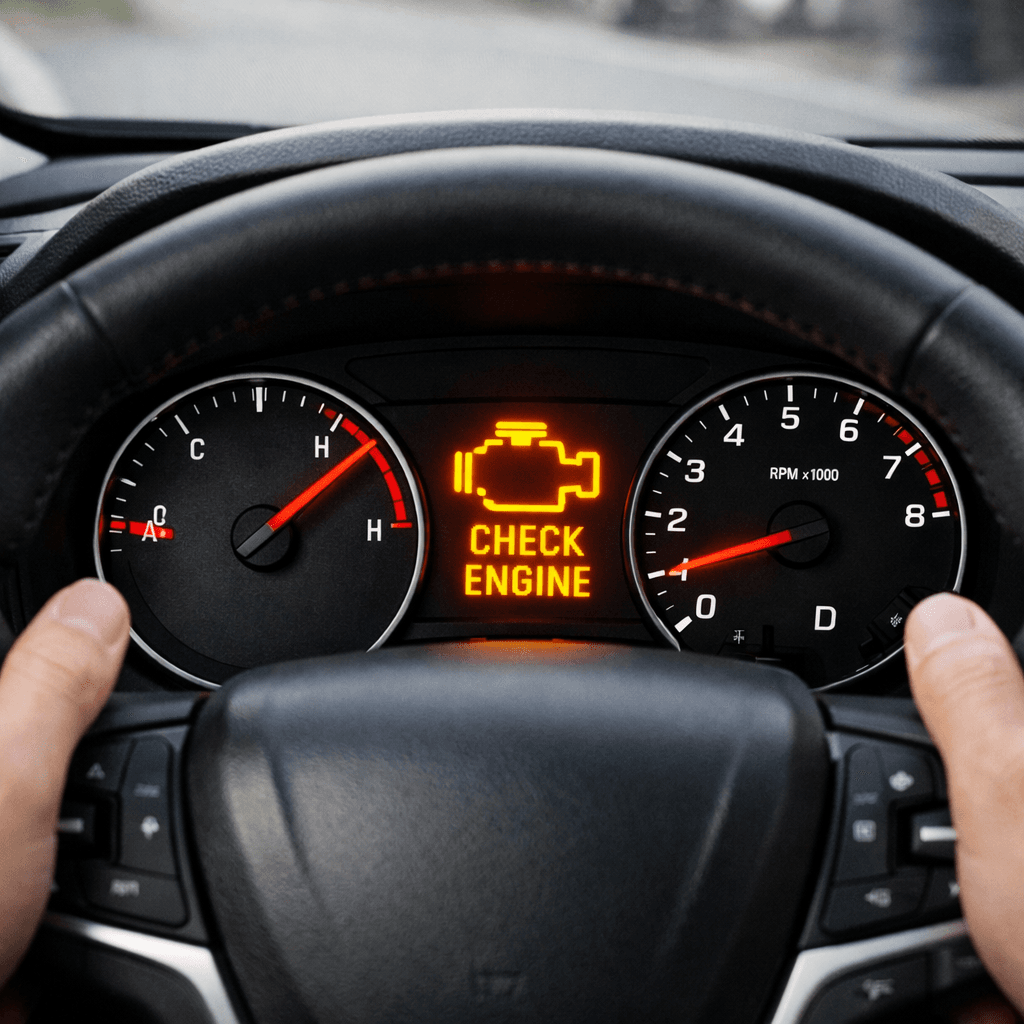
A flashing check engine light means your engine is misfiring right now and unburned fuel is entering the exhaust. This can quickly damage the catalytic converter. If the car feels rough or starts shaking, stop driving immediately and get it diagnosed.
What Does a Flashing Check Engine Light Mean?
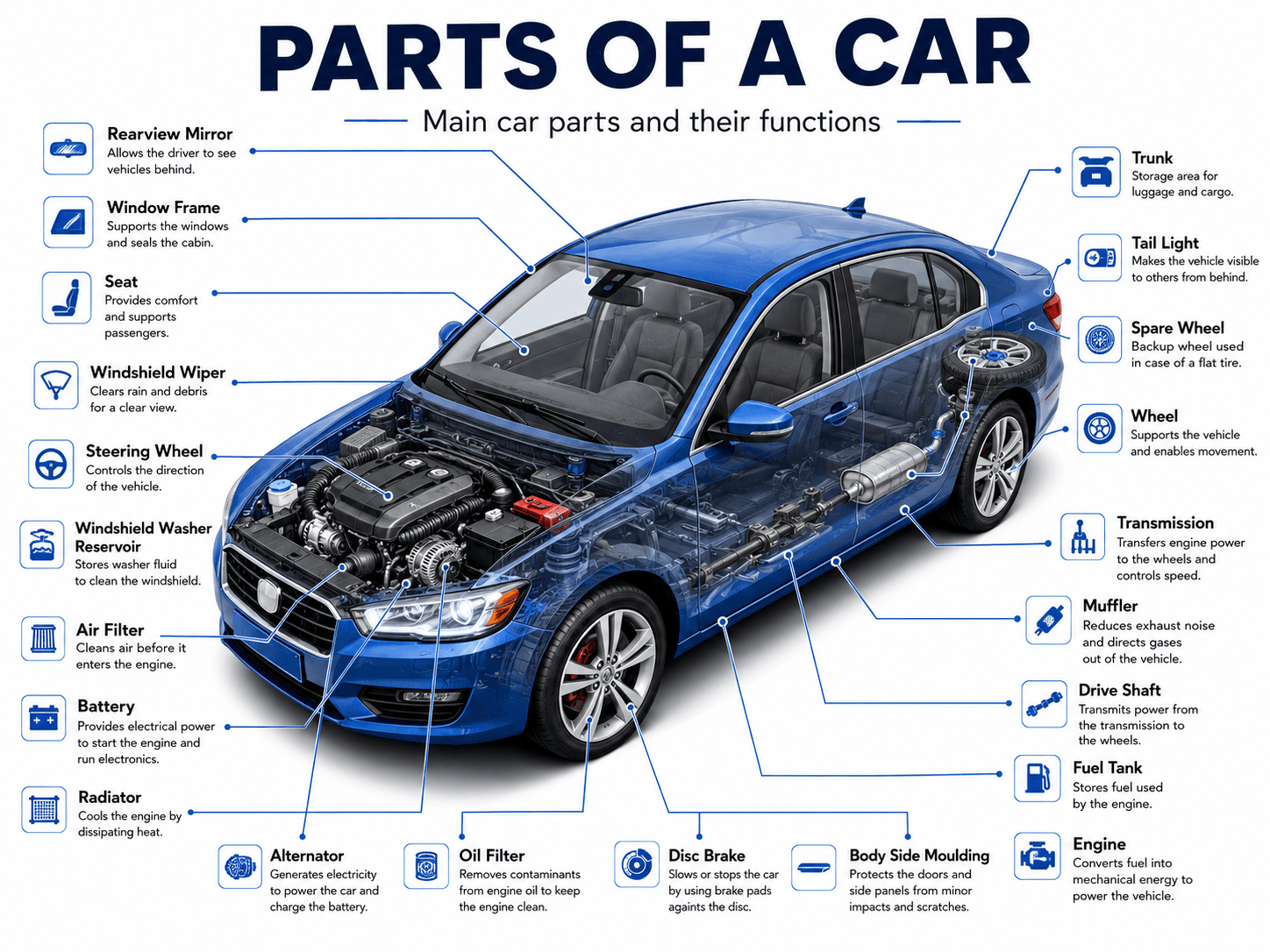
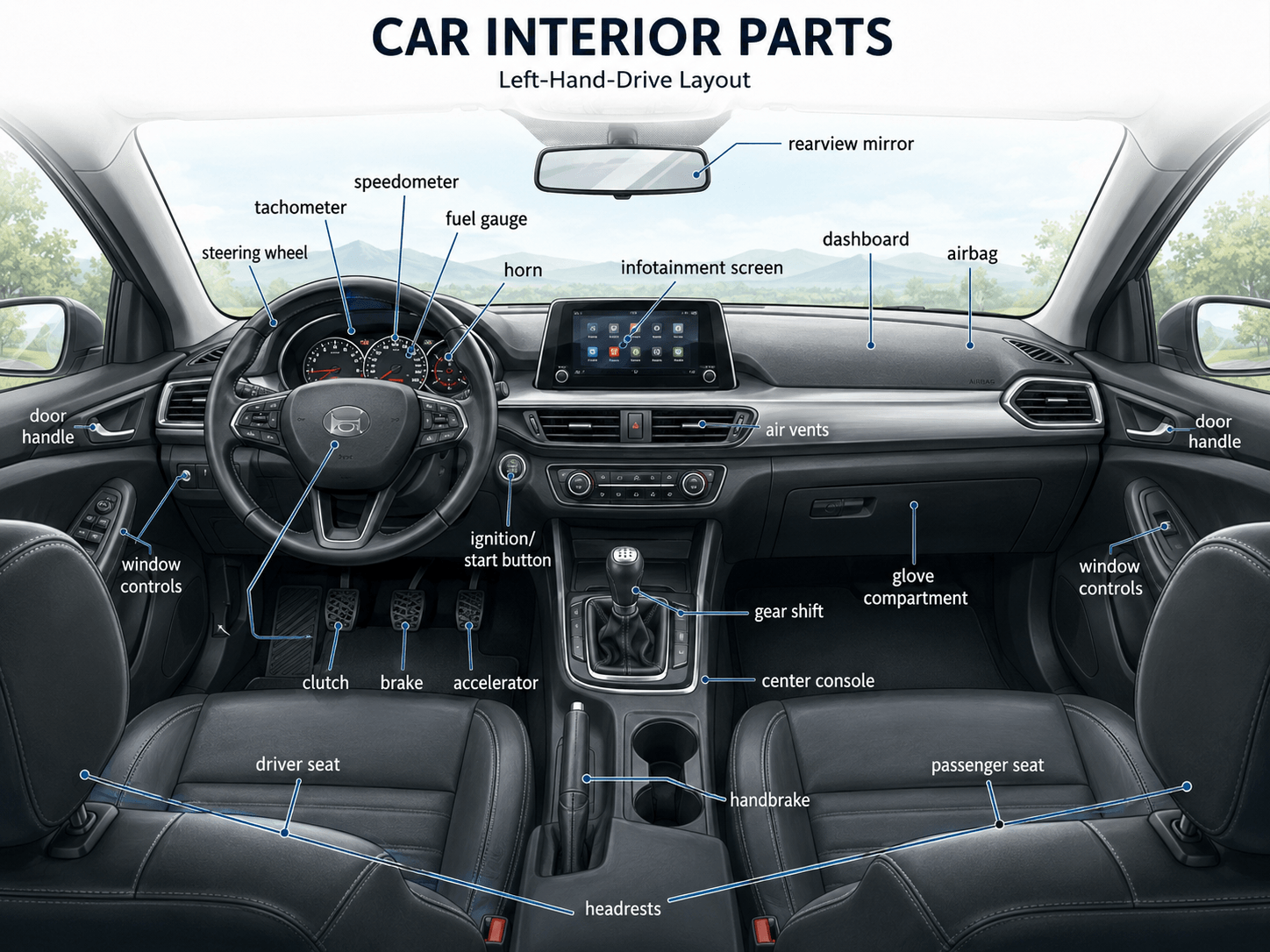
To understand this better, you should know the basics of car engine parts and functions.
A flashing check engine light is not a normal warning. It is your car telling you something serious is happening right now.
Most of the time, it means one or more cylinders are not firing correctly. Fuel is not burning the way it should. Instead of producing power, that fuel ends up going into the exhaust system.
And this is where things get expensive.
That unburned fuel overheats the catalytic converter very fast. I have seen situations where drivers ignored this for a short drive, thinking it was nothing urgent, and ended up turning a simple ignition issue into a costly repair.
This is why a flashing light should never be treated like a “check later” warning.
Flashing vs Solid Check Engine Light
| Type | Meaning | Risk Level |
|---|---|---|
| Solid Light | Minor issue (sensor, emissions fault) | Medium |
| Flashing Light | Active misfire or severe fault | High |
A solid light gives you time to plan.
A flashing light means damage may already be happening.
Why a Flashing Check Engine Light Is Dangerous
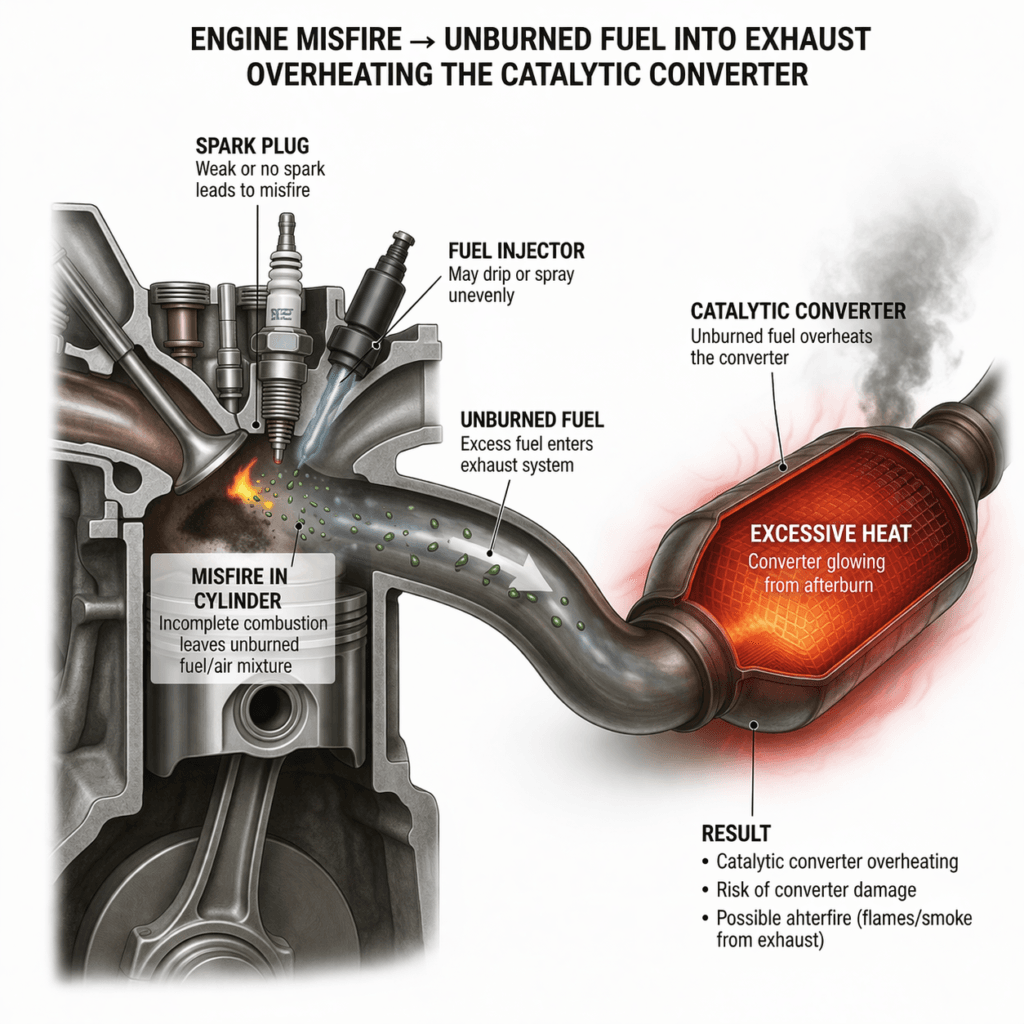
Here is what actually happens inside the engine:
fuel does not burn correctly
raw fuel enters the exhaust
catalytic converter overheats
internal damage starts quickly
This kind of overheating is similar to other issues explained in engine overheating causes.
That is why the car may suddenly:
shake badly
lose power
smell like fuel
hesitate when accelerating
This is not just a warning. This is an active problem.
Biggest Mistake Drivers Make
Most drivers think:
“I will just drive home, it is only 10 minutes”
That is exactly where things go wrong.
In many real cases, that short drive is enough to overheat the catalytic converter. What could have been a small repair becomes a much bigger bill.
If the engine is shaking and the light is flashing, continuing to drive is a risk, not a solution.
Most Common Causes of a Flashing Check Engine Light
1. Engine Misfire (Main Cause)
This is the most common reason.
The cylinder fails to burn fuel properly due to:
weak spark
incorrect fuel delivery
compression problems
2. Worn Spark Plugs
Old or damaged spark plugs cannot ignite fuel correctly.
Even one bad plug can cause noticeable misfire.
3. Bad Ignition Coils
A weak ignition coil fails under load.
This is why many drivers notice the problem during acceleration.
4. Fuel Injector Problems
Injectors that are clogged or leaking disturb fuel balance, leading to unstable combustion.
5. Air-Fuel Imbalance (Vacuum Leak)
Too much air or too little fuel creates an incorrect mixture, which can trigger misfires.
6. Engine Mechanical Issues
Low compression, valve damage, or timing problems can cause continuous misfires.
7. Sensor Malfunction (MAF / O2)
Incorrect sensor data leads to poor fuel mixture and rough engine behavior.
Flashing Check Engine Light + Car Shaking (Critical Case)
If your car is shaking along with a flashing light:
It is almost always a serious misfire
One or more cylinders are not working properly
This is the point where you should stop driving immediately.
Flashing Check Engine Light When Accelerating
Many drivers notice the light flashes only when pressing the gas.
This usually means:
engine needs stronger ignition under load
weak spark plugs or coils fail at that moment
So if it happens only during acceleration, ignition system is often the root cause.
Why the Flashing Light Sometimes Comes and Goes (Important)
This is something most articles do not explain properly.
Sometimes the light flashes and then stops. This does not mean the problem is gone.
It usually means:
the misfire happens only under load
or only at certain speeds
or only when engine temperature changes
So the issue is still there, just not active all the time.
Ignoring this stage often leads to a permanent fault later.
How Long Can You Drive With a Flashing Check Engine Light?
The honest answer is: you should not.
In mild cases, the car may still move. But every second increases the risk of damage.
Stop immediately if you notice:
engine shaking
power loss
strong fuel smell
continuous flashing
Driving longer can turn a small issue into a very expensive repair.
What To Do Immediately (Step-by-Step)
reduce speed immediately
avoid hard acceleration
turn off AC to reduce load
pull over safely
stop engine if shaking continues
scan OBD codes if possible
Do not keep restarting the car expecting the problem to disappear.
Common Trouble Codes
P0300 → random misfire
P0301–P0308 → cylinder-specific misfire
These codes confirm combustion-related issues.
How Mechanics Actually Diagnose This
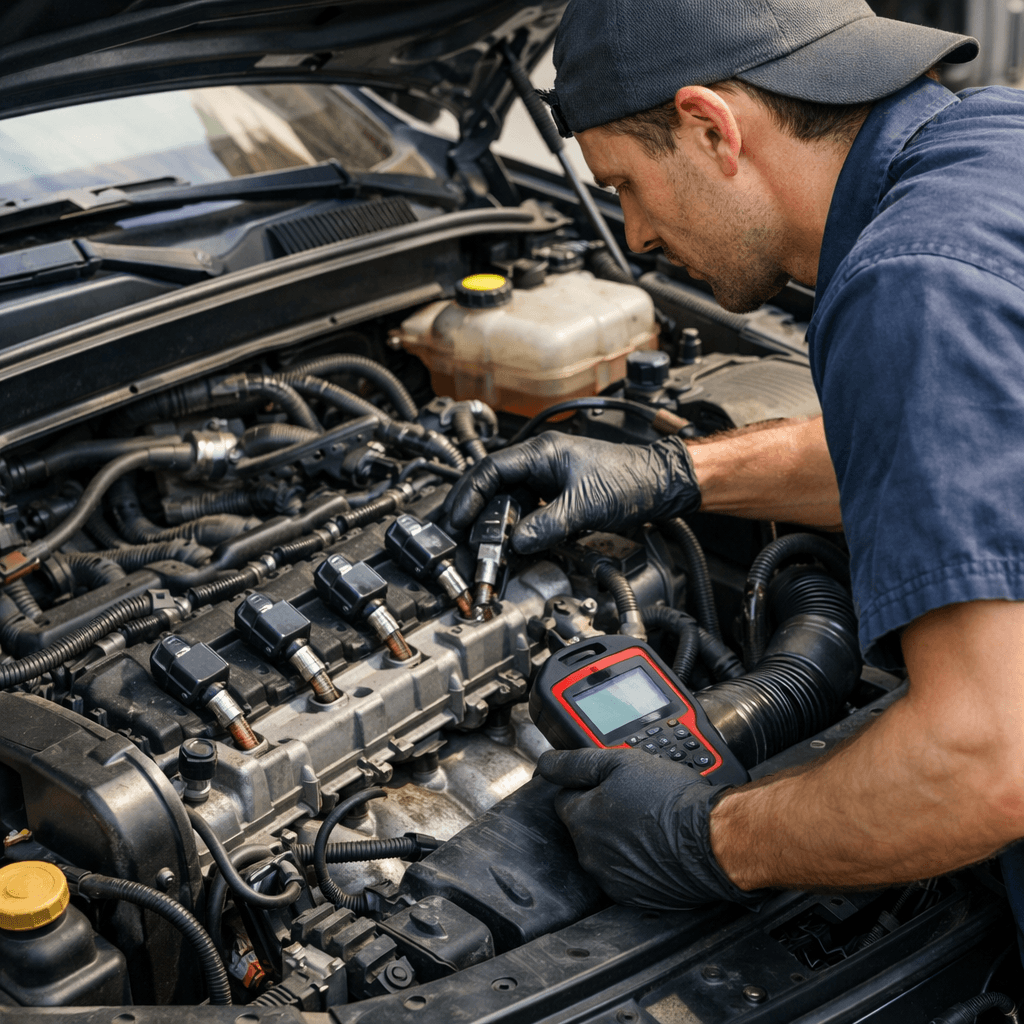
This is where real diagnosis begins.
A proper process looks like this:
scan error codes
check misfire counters
inspect spark plugs and coils
test fuel injectors
check vacuum leaks
test engine compression
Most people make the mistake of replacing parts randomly.
Professionals test first, then fix the exact cause.
Repair Cost Breakdown
| Problem | Estimated Cost |
|---|---|
| Spark Plugs | $100 – $300 |
| Ignition Coil | $150 – $400 |
| Fuel Injector | $200 – $600 |
| Wiring Issue | $100 – $500 |
| Catalytic Converter | $800 – $2500+ |
| Engine Repair | $1000+ |
Ignoring misfire is what usually leads to the expensive repairs.
How To Prevent This Issue
replace spark plugs on time
fix rough idle early
maintain ignition system
do not ignore hesitation
act on warning signs quickly
In some cases, you may also notice symptoms like bubbles in coolant reservoir, which indicate deeper engine problems.
Cars usually give warnings before failing completely.