
A car key stuck in ignition can turn a normal day into an annoying one very fast. Whwn you park the car, switch everything off, try to pull the key out, and it just stays there. Then you check again, twist lightly, look at the steering wheel, and start wondering if something expensive has gone wrong. I have seen this happen a few times, and most people instantly think the ignition is broken.
This problem can happen in older cars and newer ones. Some vehicles use more mechanical parts while others rely on electronic locks and safety systems. Either way, the issue usually comes from a few common causes like the steering wheel lock, the gear not being fully in Park, a weak battery, a worn key, dirt inside the ignition, or a worn ignition cylinder. So before assuming the worst, it helps to go through the likely reasons one by one.
Contents
Why a Car Key Gets Stuck in the Ignition
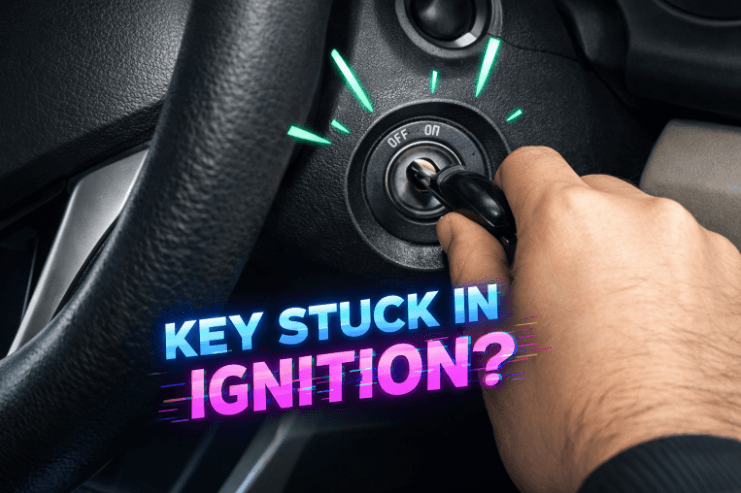
A key gets stuck when the ignition system does not move fully into the release position. That can happen because of pressure on the locking mechanism, a small issue with the transmission position, or wear inside the ignition itself. Sometimes the problem is mechanical. Sometimes it is electrical. And sometimes it is just one small thing being slightly out of place.
What makes this issue frustrating is how sudden it feels. One minute everything works normally. The next minute your key refuses to come out and you are standing there trying not to get irritated. The good part is that a lot of these cases have clear causes and simple first checks.
Steering Wheel Lock Pressure
One of the most common reasons behind a car key stuck in ignition issue is the steering wheel lock. This happens when the steering wheel puts pressure on the ignition cylinder after the engine is turned off. When that pressure builds up, the key cannot move freely into the final release position.
If this is the cause, hold the steering wheel and gently move it left and right while turning the key slightly toward the off position. No force. Just controlled pressure. Many times the key comes right out once the tension is released. This is probably one of the easiest fixes and also one of the most overlooked ones.
Gear Not Fully in Park
Another very common cause is the gear selector. In automatic vehicles, the key often will not release unless the transmission is completely in Park. Sometimes the shifter looks correct, but it is sitting a little off position. That small misalignment is enough to stop the key release system from doing its job.
A good way to test this is to press the brake pedal, move the shifter out of Park, then place it back firmly into Park and try again. I remember a time when this happened in a parking lot and I thought the ignition had failed. Turned out the shifter was not sitting properly. The key came out right after I set it back into Park. Small issue, big stress.
Weak Battery or Electrical Problem
A weak car battery can also be responsible, especially in more modern vehicles. Some key release systems depend on electrical signals. If the voltage is too low, the system may not release the key properly even if everything else looks fine.
You might notice other signs too, like dim dashboard lights, weak door locking, or odd electrical behavior. If the battery is struggling, charging it or jump-starting the car may help. It is not always the answer, but it is definitely worth checking because electrical issues can create very confusing symptoms.
Worn or Damaged Key
Sometimes the issue is not the ignition at all. It is the key. A worn, bent, or slightly damaged key may still start the car but have trouble moving smoothly inside the ignition. Over time, the ridges on a key wear down from daily use. That wear can make the key stick or fail to line up properly inside the cylinder.
If you have a spare key, try using it. That simple step can tell you a lot. If the spare works better, then your main key may be the actual problem. It is important not to force a damaged key because it could snap inside the ignition, and that becomes a much bigger repair.
Ignition Cylinder Wear
The ignition cylinder itself can wear out over time. This is especially common in older cars or in vehicles that get heavy daily use. Dust, repeated turning, and general age all affect the internal pins and wafers. Once those parts stop lining up correctly, the key may become hard to insert, rough to turn, or difficult to remove.
Usually there are warning signs before total failure. The key may feel sticky from time to time. You may need to jiggle it more often. The turning motion may feel rough instead of smooth. If that has been happening for a while, then a worn ignition cylinder becomes a strong possibility.
Dirt or Debris Inside the Ignition
A lot of people ignore this cause, but dirt inside the ignition can absolutely lead to a car key stuck in ignition problem. Dust, lint, and tiny debris from pockets or bags can build up over time. That buildup interferes with the small parts inside the lock.
In some cases, using a lock-safe lubricant can help. A dry graphite product or a lubricant made specifically for locks is usually the safer option. Thick oils are not a good idea because they can collect more dirt and make the situation worse later. If the ignition slot looks dirty and the key movement feels rough, contamination may be part of the issue.
Shift Interlock Problems
Modern vehicles often use a shift interlock system that connects the brake pedal, gear selector, and ignition release. If one of the sensors or switches in that chain fails, the car may not realize it is safe to release the key.
This kind of fault often shows up with other symptoms too. The gear selector may feel odd, the shifter may be harder to move, or the car may behave strangely when going into or out of Park. If the key is stuck and the shifter also feels wrong, the interlock system deserves attention.
What You Should Do First
When your key gets stuck, the best approach is a calm one. First, make sure the engine is fully off. Then check the steering wheel and gently move it while turning the key slightly. After that, confirm the gear is set firmly in Park. Press the brake once more. Look for signs of a weak battery. If you have a spare key, test it.
This step-by-step method works better than jumping from one random idea to another. Most people get frustrated and start pulling harder, but force usually makes things worse. Gentle checks are smarter and safer.
What You Should Not Do
The biggest mistake is trying to yank the key out with force. That can damage the key, the ignition cylinder, or both. Another mistake is twisting the key aggressively back and forth. That may feel like progress, but it can wear out internal parts or even snap the key blade.
Random sprays and household oils are also a bad idea. Not every lubricant is safe for lock mechanisms. And hitting the ignition area in frustration is obviously not going to improve anything. A stuck key needs patience more than strength.
Can You Prevent This Problem?
In many cases, yes. A few small habits can reduce the chances of dealing with a car key stuck in ignition later. Keep the key clean. Avoid heavy keychains hanging from the ignition because that extra weight can wear things out over time. Make sure the shifter moves fully into Park. Replace weak batteries before they start causing strange system issues.
Also, pay attention to early warning signs. If the key has been sticking slightly for weeks, that is not something to ignore. Small symptoms often show up before a full failure happens. Taking care of the issue early is usually cheaper and less stressful.
When It Is Time for a Mechanic
If you have checked the steering wheel, confirmed the gear is in Park, tested the battery, and tried a spare key but the problem remains, then it is time for a mechanic. The same goes if the ignition feels rough, the key will not turn properly, or the shifter also seems faulty.
At that stage, the issue may involve the ignition cylinder, ignition switch, or interlock system. Those are not things worth forcing or guessing your way through. A proper inspection can save you from making the damage worse.
Final Thoughts
A car key stuck in ignition feels like a bigger disaster than it often is. Yes, sometimes it points to a worn ignition cylinder or an electrical fault. But many times it is something much simpler like steering wheel pressure or a gear selector that is slightly out of position.
That is why it helps to stay calm and work through the common causes first. A bit of patience usually goes much further than panic. And if the issue keeps coming back, that is your sign to get it looked at before a small inconvenience turns into a bigger repair bill.
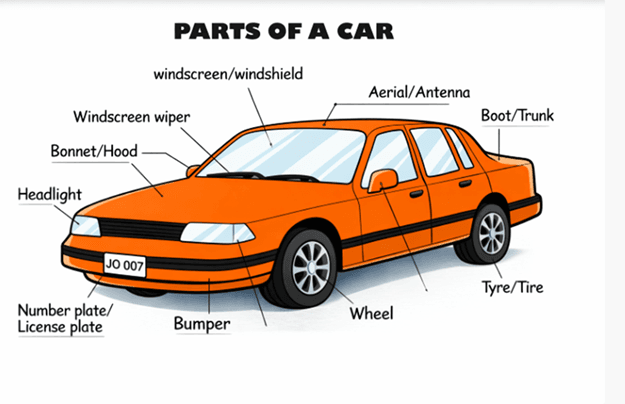
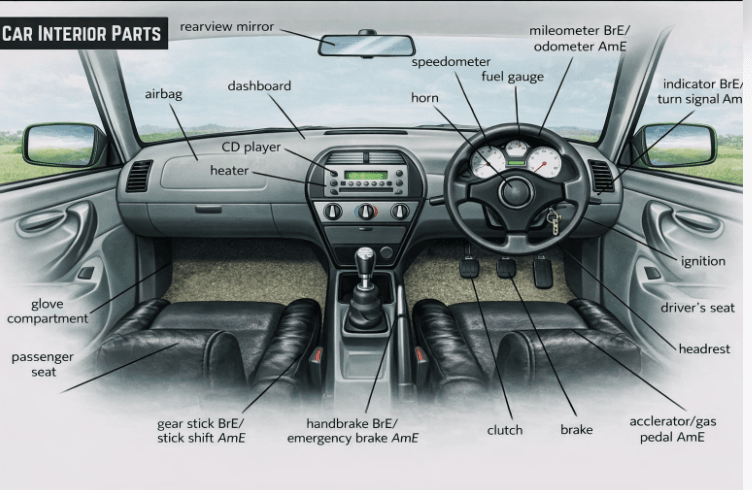
Sometimes your car’s brakes make weird sounds,you can read why it make noise and may know about car wheel parts.You can alse know about parts of car
FAQs
Why is my car key stuck in the ignition even though the car is off?
The most common reasons are steering wheel lock pressure, the transmission not being fully in Park, a weak battery, a worn key, or a failing ignition cylinder. Even with the engine off, one of these issues can stop the key from releasing.
Can a dead battery cause a key to get stuck in the ignition?
Yes, in some modern vehicles it can. Certain ignition release systems depend on battery power and electrical signals. If the battery is too weak, the key may not come out normally.
How do I remove a stuck key without damaging it?
Use gentle steps only. Move the steering wheel slightly left and right, make sure the car is fully in Park, press the brake pedal, and try turning the key softly back toward the off position. Avoid using force.
Can a worn key cause this problem?
Yes. A worn or bent key may not line up correctly inside the ignition cylinder. If a spare key works better, then the main key may be the problem.
Is it safe to spray lubricant into the ignition?
Only if it is a product made for locks or ignition systems. Heavy oils can attract dust and make the problem worse over time.
When should I call a mechanic?
You should call a mechanic if the simple checks do not work, the ignition feels rough, the shifter also seems faulty, or the key keeps sticking again and again.