
Contents
- What Does ESP BAS Light Mean? 7 Causes Symptoms and Fixes
- What Does ESP BAS Light Mean?
- Main Causes of the ESP BAS Light?
- Why the ESP BAS Light Matters
- Common Symptoms of an ESP BAS Light Problem
- How to Fix the ESP BAS Light
- ESP BAS Light on Jeep
- ESP BAS Light on Mercedes
- ESP BAS Light on Dodge and Chrysler
- Can I Reset the ESP BAS Light Without Fixing It?
- How to Prevent ESP BAS Light Problems
- FAQs
- How Much Does It Cost to Fix ESP BAS Light?
- Can low battery cause ESP BAS light?
- Is It Safe to Drive With the ESP BAS Light On?
- How do I turn off ESP BAS light?
- Does ESP BAS light mean my brakes are bad?
- Is ESP the same as traction control?
- Why did ESP BAS light come on after alignment?
- Why are ESP BAS and ABS lights on together?
- Final Verdict
What Does ESP BAS Light Mean? 7 Causes Symptoms and Fixes
Seeing the ESP BAS light on your dashboard can be confusing especially when your car still drives normally. This warning is linked to your vehicle stability control and brake assist system.
When the ESP BAS light stays on it usually means there is a fault with brake switch, wheel speed sensor, steering angle sensor brake parts or wiring. In this guide you will learn what the ESP BAS light means,why it turns on and how to fix it safely.
What Does ESP BAS Light Mean?
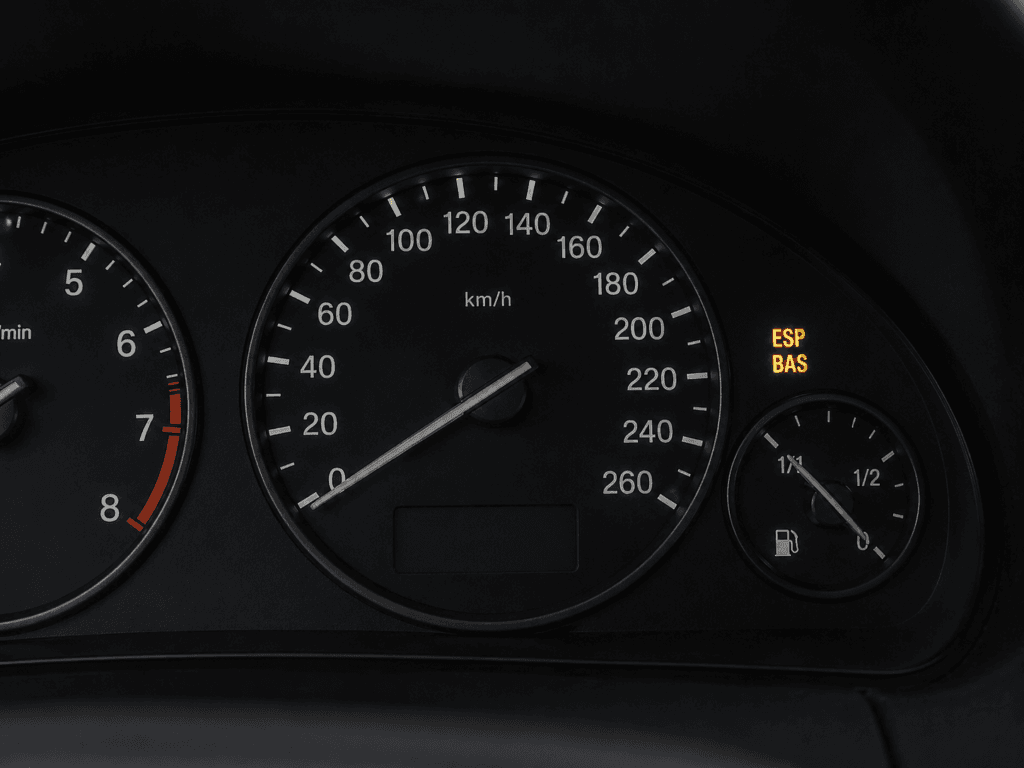
The ESP BAS light means there is a problem with your vehicle’s Electronic Stability Program or Brake Assist System. When this warning light stays on after starting the vehicle,it usually means one of these safety systems has detected a fault.
ESP stands for Electronic Stability Program. Some car makers also call it ESC which means Electronic Stability Control. The job of ESP is to monitor how the vehicle is moving and help prevent skidding loss of traction and loss of control.
BAS stands for Brake Assist System. This system detects sudden hard braking and helps apply stronger brake pressure when the driver needs emergency stopping power.
The ESP BAS light should not be ignored because these systems are connected to vehicle stability braking control traction control ABS sensors and steering input. They often use data from wheel speed sensors, the steering angle sensor, brake switch brake pedal sensor, yaw sensor, ABS module and traction control system.
Even a small sensor fault can affect how your vehicle reacts during sudden braking sharp turns or slippery road conditions.
Main Causes of the ESP BAS Light?
The ESP BAS light can turn on for several reasons. The most common causes are listed below.
1. Faulty Brake Switch
A faulty brake switch is one of the most common reasons for the ESP BAS light.
The brake switch is usually located near the brake pedal. It tells the vehicle when the brake pedal is pressed. It also turns on the rear brake lights. If this switch fails the vehicle may not receive the correct brake signal.
A bad brake switch can cause these problems.
| Fault | Result |
|---|---|
| Brake switch not sending signal | ESP BAS light may turn on |
| Brake lights not working | Rear drivers may not see braking |
| Wrong brake pedal data | Brake assist may not work correctly |
| Intermittent switch signal | Warning light may come and go |
A faulty brake switch can be dangerous because other drivers may not know when you are braking. It can also confuse the brake assist system because the vehicle may not understand when the brake pedal is being pressed.
2. Faulty Steering Angle Sensor
A bad steering angle sensor can also trigger the ESP BAS light.
The steering angle sensor tells the vehicle which direction the steering wheel is turned. The ESP system compares this steering input with wheel speed and vehicle movement. If the sensor sends incorrect data the stability system may think the car is not going where the driver wants it to go.
Common signs of a bad steering angle sensor include the ESP BAS light staying on after battery replacement wheel alignment steering work or suspension repair.
In some vehicles the steering angle sensor can be recalibrated by turning the steering wheel fully to the left then fully to the right then back to center. This may work on some Jeep Dodge Mercedes Chrysler and similar vehicles. If the warning returns the sensor or calibration still needs professional diagnosis.
3. Faulty Wheel Speed Sensor
A faulty wheel speed sensor is another major cause of the ESP BAS light.
Each wheel has a sensor that measures wheel speed. The ABS ESP and traction control systems use this data to understand how each wheel is moving. If one sensor sends bad data the system may think one wheel is slipping even when it is not.
A bad wheel speed sensor can trigger several warning lights at the same time.
| Warning Light | Possible Link |
|---|---|
| ESP BAS light | Stability or brake assist fault |
| ABS light | Anti lock brake fault |
| Traction control light | Wheel slip data fault |
| Check engine light | Possible related module code |
Wheel speed sensors can fail due to dirt metal debris water damage broken wiring damaged tone ring wheel bearing issues or sensor age.
4. Bad Brake Pads or Brake Calipers
Worn brake pads and bad brake calipers can also cause ESP BAS related warnings.
The BAS system depends on proper brake response. If the brake pads are too worn or the caliper does not apply pressure correctly the braking system may not respond as expected.
Bad brake pads can reduce stopping power. Bad calipers can cause uneven braking. A stuck caliper can make one wheel drag. A weak caliper can fail to apply enough force. These problems may confuse stability and braking systems.
Signs of bad brake pads or calipers include grinding noise squealing noise vibration while braking longer stopping distance burning smell or the car pulling to one side.
5. Electrical Wiring Faults
Modern braking and stability systems rely on electrical signals. A wiring issue can easily trigger the ESP BAS light.
Common electrical causes include damaged sensor wires corroded connectors loose plugs blown fuse weak battery bad ground or water inside a connector.
Electrical faults can be difficult to find without proper testing. This is why scanning the vehicle is important before replacing parts.
6. Low Battery Voltage
Low battery voltage can cause many warning lights including the ESP BAS light.
ESP BAS ABS and traction control modules need stable voltage. If the battery is weak or the alternator is not charging correctly the vehicle may store false fault codes.Low battery voltage can also trigger other dashboard warnings such as the service battery charging system message especially when the alternator or battery is not working properly.
This is common after a dead battery jump start battery replacement or long parking period.
7. ABS Module Problem
The ABS module is closely connected to ESP and BAS. If the ABS module has an internal fault the ESP BAS light may appear.
ABS module problems are less common than sensor faults but they can happen. A scan tool that can read ABS and stability control codes is needed for proper diagnosis.
Why the ESP BAS Light Matters
The ESP BAS light matters because it is linked to vehicle safety. Stability control is not just a comfort feature. It is designed to help drivers stay in control during sudden turns wet roads icy roads gravel roads emergency braking and loss of traction.
NHTSA research found that electronic stability control reduced fatal crashes in passenger cars by 14 percent and in light trucks by 28 percent.
IIHS also reports that ESC reduces fatal single vehicle crash risk by about half. These results show why an ESP BAS warning light should be taken seriously.
Common Symptoms of an ESP BAS Light Problem
You may notice one or more symptoms when the ESP BAS light turns on. The most common sign is that the ESP BAS light stays on after starting the vehicle. This usually points to a stability control or brake assist fault.
In some cases the traction control light may also turn on. This often means there may be a wheel speed sensor fault or an ABS related issue. If the ABS light appears at the same time then the problem may be linked to an ABS sensor ABS wiring or the ABS control module.
You may also notice that the brake lights do not work properly. This can happen when the brake switch is faulty. A bad brake switch can stop the rear brake lights from turning on when you press the brake pedal.
Another possible symptom is that the steering feels different or the steering wheel does not feel properly aligned with the vehicle movement. This can be a sign of a faulty steering angle sensor.
The car may also pull to one side during braking. This can point to brake caliper brake pad or hydraulic brake system problems. If the ESP BAS light comes back after a reset then the fault is still active and the vehicle needs proper diagnosis.
Sometimes the vehicle may still drive normally. That does not mean the warning is harmless. It only means the fault may be hidden until the system is needed during an emergency.
How to Fix the ESP BAS Light
The best way to fix the ESP BAS light is to diagnose the exact fault first. Do not replace parts blindly.
Step 1. Restart the Vehicle
Turn the vehicle off. Wait a short time. Start it again. If the ESP BAS light turns off and does not return it may have been a temporary fault.
If the light comes back the issue needs diagnosis.
Step 2. Check the Brake Lights
Ask someone to stand behind the vehicle and check whether the brake lights turn on when you press the brake pedal.
If the brake lights do not work the brake switch may be faulty.
Step 3. Scan the Vehicle With an OBD2 Scanner
Use a scanner that can read ABS ESP and traction control codes. A basic engine scanner may not show ESP BAS codes.
Look for codes related to wheel speed sensor steering angle sensor brake switch ABS module brake pressure sensor or voltage.
Step 4. Inspect the Wheel Speed Sensors
Check the wiring near each wheel. Look for broken wires loose connectors rust dirt or sensor damage.
A faulty wheel speed sensor is one of the most common ESP BAS light causes.
Step 5. Recalibrate the Steering Angle Sensor
Some vehicles allow a basic steering angle reset. Turn the steering wheel fully left then fully right then return it to center. Drive slowly for a short distance if required by the vehicle.
If the light remains on use a scan tool for calibration.
Step 6. Check the Brake System
Inspect brake pads rotors calipers and brake fluid level. Worn brake parts should be fixed before clearing the warning light.
Step 7. Repair the Fault and Clear the Code
After replacing or repairing the faulty part clear the code with a scan tool. Then test drive the vehicle.
If the ESP BAS light returns the problem is still present.
If your vehicle shows a service brake assist message along with the ESP BAS light the problem may be linked to brake pedal data brake pressure sensors ABS or the brake assist system itself.
ESP BAS Light on Jeep
The ESP BAS light on a Jeep is often linked to the steering angle sensor brake switch or wheel speed sensor.
A common reset method is to turn the steering wheel fully right then fully left then center. This may recalibrate the steering angle sensor. If the ESP BAS light stays on after this step the system should be scanned.
ESP BAS Light on Mercedes
The ESP BAS light on Mercedes vehicles can appear due to steering angle sensor issues wheel speed sensor faults brake light switch problems low voltage or ABS related faults.
Some Mercedes models may show messages such as ESP unavailable or BAS ESP visit workshop. In that case a Mercedes compatible scanner is the best option.
ESP BAS Light on Dodge and Chrysler
On Dodge and Chrysler vehicles the ESP BAS light is commonly linked to steering angle sensor calibration brake switch failure or wheel speed sensor issues.
If the light appears after alignment suspension work or battery replacement the steering angle sensor calibration should be checked.
Can I Reset the ESP BAS Light Without Fixing It?
You can clear the ESP BAS light with a scan tool but it will return if the fault is still active.
A reset is not a repair. The system turns the warning light on because it has detected a problem. Always fix the root cause before relying on the vehicle.
How to Prevent ESP BAS Light Problems
You cannot prevent every sensor failure but you can reduce the chances.
| Maintenance Step | Why It Helps |
|---|---|
| Keep brakes serviced | Supports proper BAS function |
| Replace worn brake pads early | Prevents braking imbalance |
| Keep wheel areas clean | Protects wheel speed sensors |
| Fix ABS light quickly | Prevents related ESP faults |
| Test battery health | Avoids voltage related warnings |
| Repair damaged wiring | Keeps sensor signals stable |
| Use proper wheel alignment | Helps steering sensor accuracy |
FAQs
How Much Does It Cost to Fix ESP BAS Light?
The cost to fix the ESP BAS light usually ranges from $50 to $800 depending on the faulty part and vehicle model.
A brake switch replacement can cost around $50 to $150. Steering angle sensor calibration may cost $75 to $150. A wheel speed sensor replacement usually costs $150 to $300. Brake pad replacement can cost $150 to $400. Brake caliper replacement may cost $250 to $600. ABS module repair or replacement can cost $400 to $1,500.
The best first step is to scan the vehicle with an ABS or ESP compatible scanner. A diagnostic scan usually costs $50 to $150 and can save money by finding the exact fault before replacing parts.
Can low battery cause ESP BAS light?
Yes. Low battery voltage or unstable charging can trigger ESP BAS ABS and traction control warnings. Test the battery and alternator if multiple warning lights appear.
Is It Safe to Drive With the ESP BAS Light On?
It is not recommended to drive for long with the ESP BAS light on.
The car may still move and brake but the stability control or brake assist system may not work correctly. This can be risky during rain snow sharp turns sudden braking or emergency steering.
You should drive slowly only if you need to reach a safe place or repair shop. Avoid aggressive braking fast cornering and slippery roads until the problem is fixed.
How do I turn off ESP BAS light?
Scan the vehicle. Fix the stored fault. Clear the code with a scan tool. If the cause is steering angle calibration then a steering reset or scan tool calibration may turn the light off.
Does ESP BAS light mean my brakes are bad?
Not always. It can mean a brake switch sensor steering sensor wheel speed sensor wiring or ABS related issue. Brake pads and calipers can also be involved.
Is ESP the same as traction control?
No. ESP and traction control are related but not the same. Traction control helps reduce wheel spin during acceleration. ESP helps control vehicle stability during skids turns and loss of control.
Why did ESP BAS light come on after alignment?
The steering angle sensor may need recalibration after alignment or steering work. If recalibration does not fix it the sensor or wiring may need inspection.
Why are ESP BAS and ABS lights on together?
This often points to a wheel speed sensor ABS sensor wiring issue or ABS module problem. These systems share sensor data..
Final Verdict
The ESP BAS light means your vehicle has detected a fault in the stability control or brake assist system. The most likely causes are a bad brake switch faulty steering angle sensor faulty wheel speed sensor worn brake parts low voltage or electrical wiring problems.
The best fix is simple. Read the ESP ABS code with the right scanner. Repair the faulty part. Clear the code. Test drive the vehicle.
Do not ignore the ESP BAS light. It is connected to systems that help your vehicle stay stable stop safely and respond better during emergency driving conditions.
Some drivers also see other safety related dashboard warnings such as the service airbag light which should also be checked because it is linked to passenger protection.