
Contents
- Service Battery Charging System – What It Means, Why It Happens, and How to Fix It
- What Is the Service Battery Charging System, Really
- So What’s Actually Happening When That Light Turns On
- Why Does This Happen? Here’s What I Usually Find
- How to Actually Diagnose This Yourself
- How to Fix It
- Should You Keep Driving With This Light On?
- A Few Things That’ll Save You a Headache Later
- A Few Questions I Get a Lot
- conclusion
Service Battery Charging System – What It Means, Why It Happens, and How to Fix It
That little battery icon lights up on your dash, and suddenly you’re wondering: is my car about to die on me? Here’s the short answer. Your battery isn’t getting charged properly. Something in the system — the alternator, the wiring, maybe a belt — isn’t doing its job. And if you keep driving on it, you’ll eventually run out of juice completely.
I’ve seen this a hundred times in the shop. A guy pulls in, says “my car’s fine, just this light won’t go away.” Then two days later he’s calling me from the side of the highway. So let’s not do that. Take this warning seriously.
The usual suspects? A tired alternator. A loose or worn belt. Damaged wiring somewhere in the system. The alternator’s whole job is to keep your battery topped off while the engine’s running — so when it can’t do that anymore, you’re on borrowed time.
What Is the Service Battery Charging System, Really
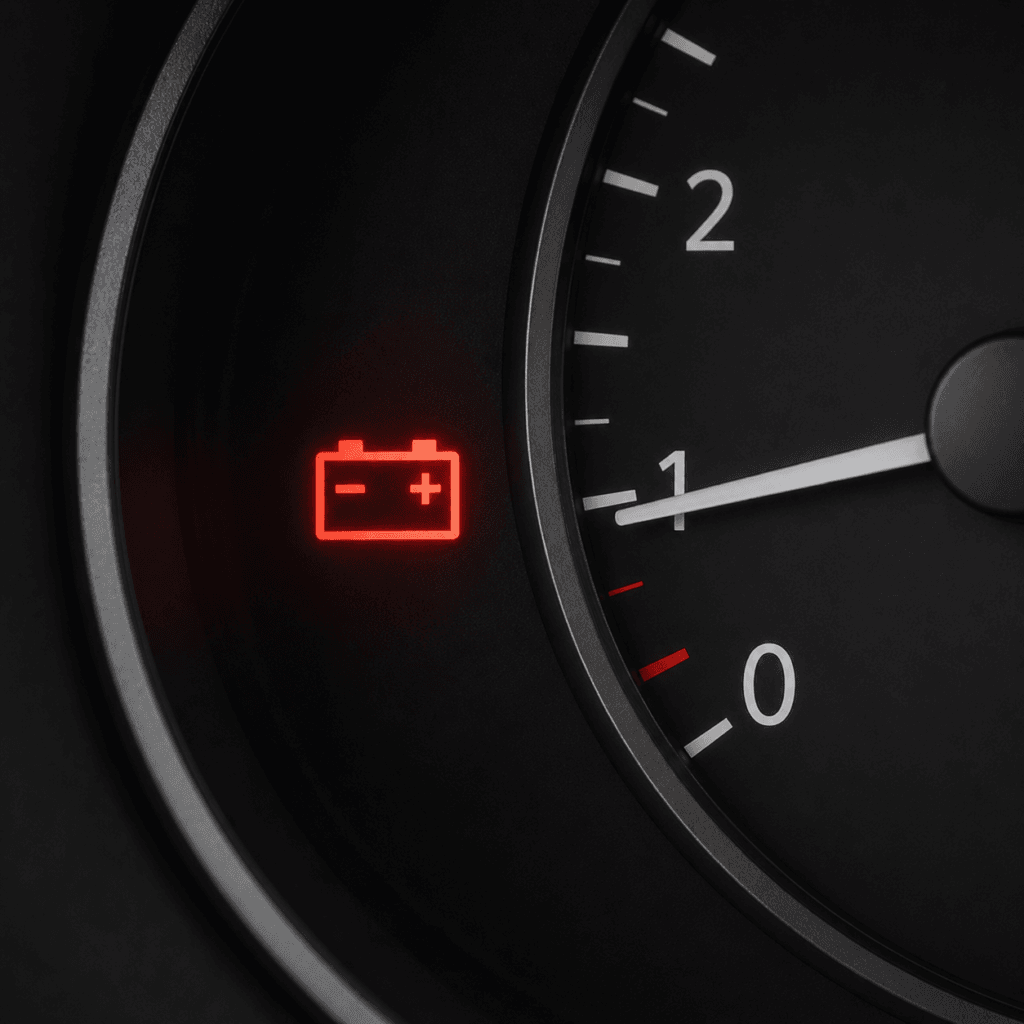
Old cars — we’re talking pre-1990s — used something called a voltage regulator. Simple setup. The engine ran, made electricity, and that regulator kept things in check. If the voltage drifted, the light came on.
Cars today are smarter. There’s no simple regulator doing the guesswork anymore — there’s a computer, constantly reading voltage in real time. The second something looks off, it flags it. That’s your warning light.
Four things make this whole system work:
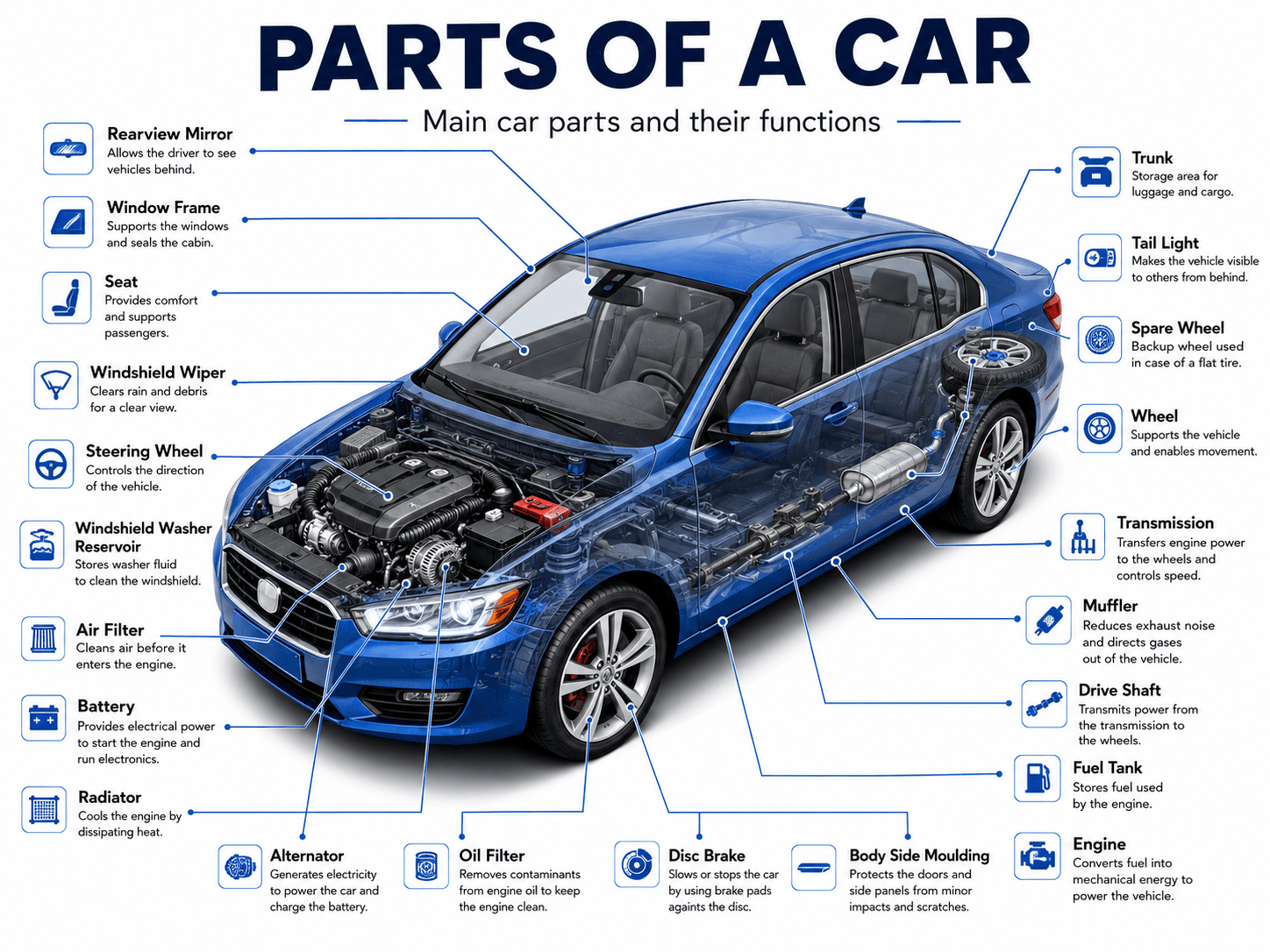
The Alternator. This is the workhorse. It takes the engine’s spinning motion and turns it into electricity — power for your accessories, power to keep the battery charged.
The Electronic Control Unit. Think of this as the manager. It’s watching the alternator, tracking output, and reacting the moment something changes.
The Battery. Your battery’s basically a savings account for electricity. It stores what the alternator sends it and spends that energy starting your engine. Car’s off? It’s still running your accessories. Alternator dies mid-drive? The battery can carry you for a bit.
The Wiring. None of this matters if the wiring connecting it all is bad. Doesn’t matter how good your alternator or battery are — bad wiring breaks the whole chain.
So What’s Actually Happening When That Light Turns On
Sometimes it’s amber. Sometimes red. Sometimes it just says “BAT” or “ALT” instead of showing a symbol. Doesn’t matter — they all mean the same thing. Your charging system has a problem.
Here’s the part that catches people off guard: once that light’s on, your car is basically running on savings. The alternator’s not putting anything back. You’re just burning through what’s left in the battery. Keep going long enough, and the battery hits zero. Car stops. Simple as that.
You don’t have forever to deal with this. Hours, maybe a day or two if you’re lucky. Check your owner’s manual — it’ll tell you exactly what your car’s version of this warning looks like.
Why Does This Happen? Here’s What I Usually Find
The drive belt’s shot. A worn or loose belt can’t spin the alternator pulley the way it needs to. Slipping belt, weak alternator output, light comes on. Pretty straightforward.
Something’s wrong with the wiring. Corroded connection, chewed-through wire, loose plug — any of it can choke off the power getting to your battery.
The control unit’s acting up. If the computer managing your voltage isn’t doing its job right, the alternator’s output gets unpredictable. That’s enough to trip the warning.
The battery’s just old. Batteries wear out. It happens. Corrosion or loose terminals will make it look worse than it actually is, too — worth checking before you assume the worst.
The alternator failed outright. This is the big one. No alternator, no voltage regulation, no charging. Full stop.
A fuse blew. If your battery seems totally fine but the car won’t start, check your fuses before anything else. A blown fuse can cut power to the starter entirely.
The starter’s dying. A weak starter pulls extra power every time you crank the ignition — especially if it’s taking multiple tries to start. Do that enough times and you’ve drained your battery faster than the alternator can keep up. Grab a voltmeter if you want to see exactly how much it’s pulling.To rule out ignition faults, you can read our detailed guide on starter relay symptoms to see if the issue is in the crank circuit.
| Common Cause | Quick Symptom | Estimated Fix Cost |
|---|---|---|
| Corroded Terminals | White/green crust, weak starts | $5 – $10 (DIY Clean) |
| Loose Drive Belt | Squealing noise from engine | $20 – $50 (Replacement) |
| Blown Fuse | Car won’t start, battery tests fine | $5 – $15 |
| Bad Alternator | Dim headlights, whining noise | $250 – $600 |
| Old Battery | Won’t hold charge under load | $100 – $200 |
How to Actually Diagnose This Yourself
Don’t panic and assume you need a new alternator right away. Run through these checks first — works the same whether you’re driving a Cruze, an Impala, or basically anything else on the road. (And hey — if the battery and alternator both check out fine but the car’s still running rough, that might actually be an engine misfire, not a charging issue at all.)
Start With the Battery
Look at the battery first. Is it charged? In good shape? Some batteries have a built-in hydrometer — look for a green eye, that usually means you’re good.
Now check the terminals. Corrosion? White or greenish crust? Clamps loose? Clean it up, tighten everything down.
Grab a multimeter and check the voltage with no load. Engine off, healthy battery should read around 12 volts.
Want to test actual capacity? Set your battery tester to OFF, flip the multimeter to DC volts. Clip the positive lead to the positive post, negative to negative — and make sure you’re touching the battery posts directly, not just the tester’s clips.
Turn the load knob clockwise until the ammeter hits about half your battery’s cold-cranking amps. Reading around 9.6 volts at 21°C? Battery’s still got life in it. Lower than that? Might be weak. Charge it fully first before you write it off, though — sometimes that’s all it needed.
Now Check the Alternator
A good alternator keeps your battery charged the whole time the engine’s running. Let’s see if yours is pulling its weight.
Kill all your electrical accessories first. Put it in Neutral. Set the parking brake.
Set your tester to ammeter mode. Hook up the leads to the battery, then clamp the current probe onto the alternator’s B+ output. Rev the engine to around 2,000 rpm — output should climb.
Switch over to voltmeter mode. Positive lead on the alternator’s B+ terminal, negative to ground. Same 2,000 rpm, accessories still off. You want to see somewhere between 13.0 and 15.0 volts. Outside that range? Something’s off with the alternator or the regulator.
Check Everything Else
Battery’s fine, alternator’s fine — now what? Look at the serpentine belt. Cracked? Loose? Slipping? That belt is what spins your alternator in the first place.
Go over the wiring, the connections, the fuses. One loose wire or one blown fuse is all it takes.
Last thing — check the harness connector and the alternator connector themselves. They should sit tight, no burning, no corrosion. Even a small loose connection here can set off the whole warning.
Or Just Plug In an OBD Scanner
Honestly, this is the fastest route. Plug the scanner into the OBD port — usually right under your steering wheel. Turn the key to “on” without starting the engine, then follow the prompts.
It’ll pull codes straight from the car’s computer. Weak battery, loose wiring, bad belt, blown fuse, failing alternator — it’ll point you toward the problem area. Sometimes it’ll even flag something unrelated but connected, like a crankshaft or camshaft position sensor issue, if the car’s struggling to start. Either way, running this early can save you a lot of guesswork.
How to Fix It
Once you know what’s wrong, here’s the game plan. Work through each part methodically — power flow depends on all of it working together.
- Clean the battery terminals. Corrosion buildup is one of the easiest fixes there is. Wire brush, some baking soda and water, done.
- Get the battery tested. Most auto parts stores will do this for free. It’ll tell you exactly how much life is left.
- Test the alternator’s output. It needs to be sending real charge back to the battery. If it’s not, that’s your problem right there.
- Look for stray voltage draw. Battery draining for no clear reason? Something’s pulling power it shouldn’t be.
- Make sure the battery’s actually secured. A loose battery rattles around, and that can wreck the connections over time.
- Check for physical damage. Cracks, corrosion, road salt damage — especially if you’re somewhere that gets cold winters.
- Check the starter. A dying starter pulls too much juice or forces you to crank it repeatedly. (Cranks fine but won’t start? Could be your fuel pump or pressure regulator instead — worth ruling out.)
- Check your fuses. Battery’s healthy but nothing happens when you turn the key? Blown fuse might be blocking power to the starter.
- Inspect the alternator wiring. Loose, worn, corroded — any of these will choke the connection.
- Look at the drive belt. Worn or loose belts can’t spin the alternator properly, and you’ll usually hear a whine before you see the light. (If it sounds more like ticking than whining, that’s probably something else — worth checking separately.)
- Don’t forget the coolant system. On some cars, the same belt runs the alternator and the coolant pump. Belt slips, and you might get overheating on top of the charging issue.
- Hunt down hidden drains. New battery, healthy alternator, still having issues? Something — a sensor, a door module, whatever — might be quietly draining power while the car’s parked.
Should You Keep Driving With This Light On?
No. Don’t. I know it’s tempting, especially if the car still seems to be running fine. But this isn’t the kind of thing that fixes itself, and it can get worse fast — sometimes without any warning at all. Turn off your stereo, your AC, anything pulling extra power, and get to a shop as soon as you reasonably can.If the scanner shows code errors related to fuel delivery rather than electricity, check out the most common bad fuel pressure regulator symptoms that prevent a clean start.
A Few Things That’ll Save You a Headache Later
Keep an eye on corrosion. It builds up slowly, and it chips away at your current flow the whole time. A quick clean now and then goes a long way.
Watch your power draw when the engine’s off. Blasting music for twenty minutes with the car parked? That adds up.
Check your drive belt every so often. Catch the cracks early, and you’ll never end up stranded because of one.
A Few Questions I Get a Lot
Can I jump a car with a bad alternator?
Yeah, you can — but only to get you somewhere. Don’t leave the cables connected any longer than you need to. Sensitive electronics don’t love that.
What’s this going to cost me?
Depends on the part, your car, and where you live. Shop repair usually runs $250 to $1,000. Doing it yourself? Cheaper, obviously — you’re just paying for parts.
Are charging systems getting smarter?
They are. Newer systems track battery health and alternator output constantly now, so you get a heads-up before something actually fails, not just after.
conclusion
Your car needs steady power to run right, plain and simple. Once you understand how the pieces fit — battery, alternator, wiring, control unit — this whole warning light thing stops being a mystery. Don’t brush it off. A small problem today turns into a tow truck bill tomorrow. Catch it early, and you’ll save yourself the time, the money, and honestly, the stress.