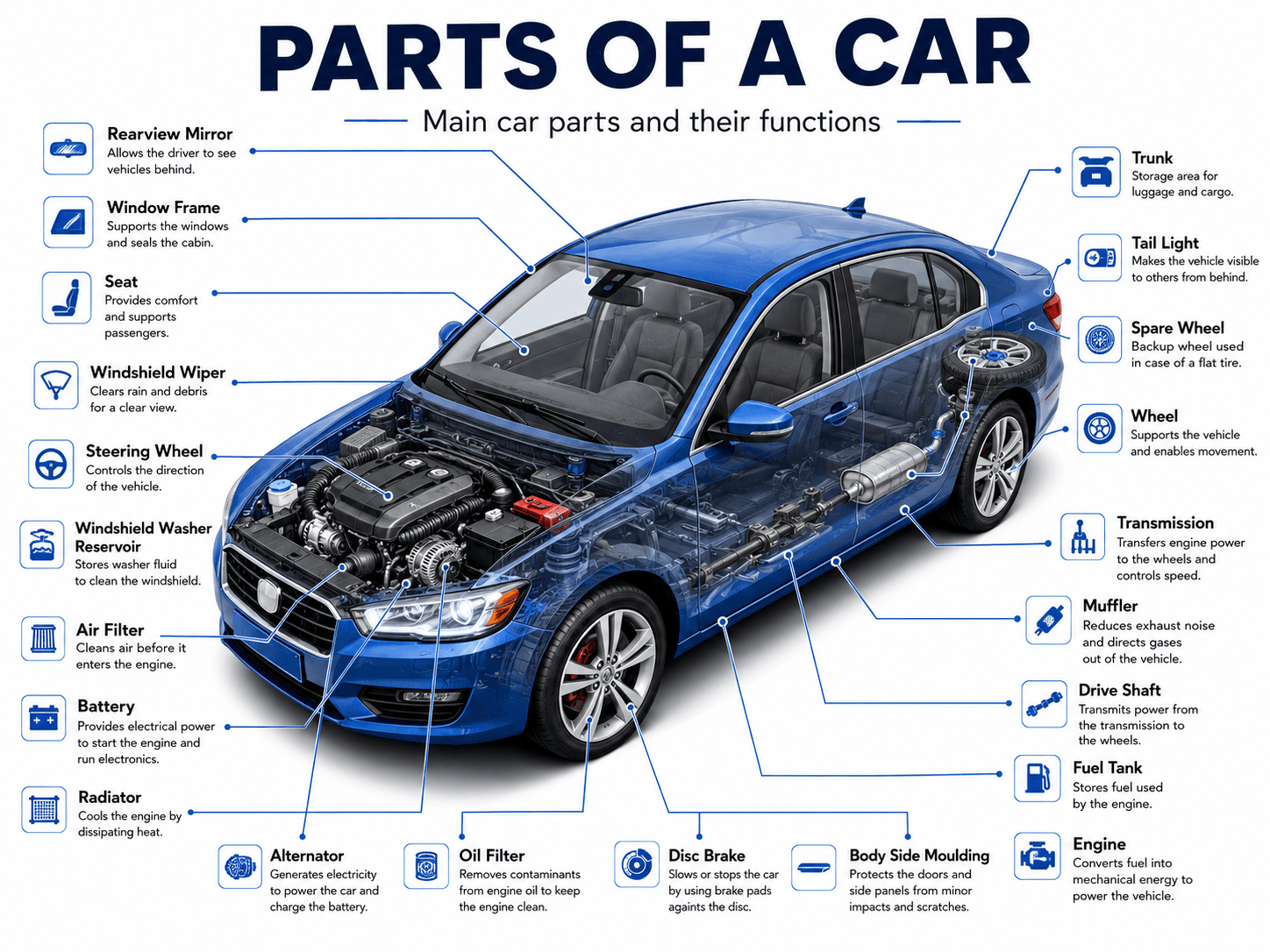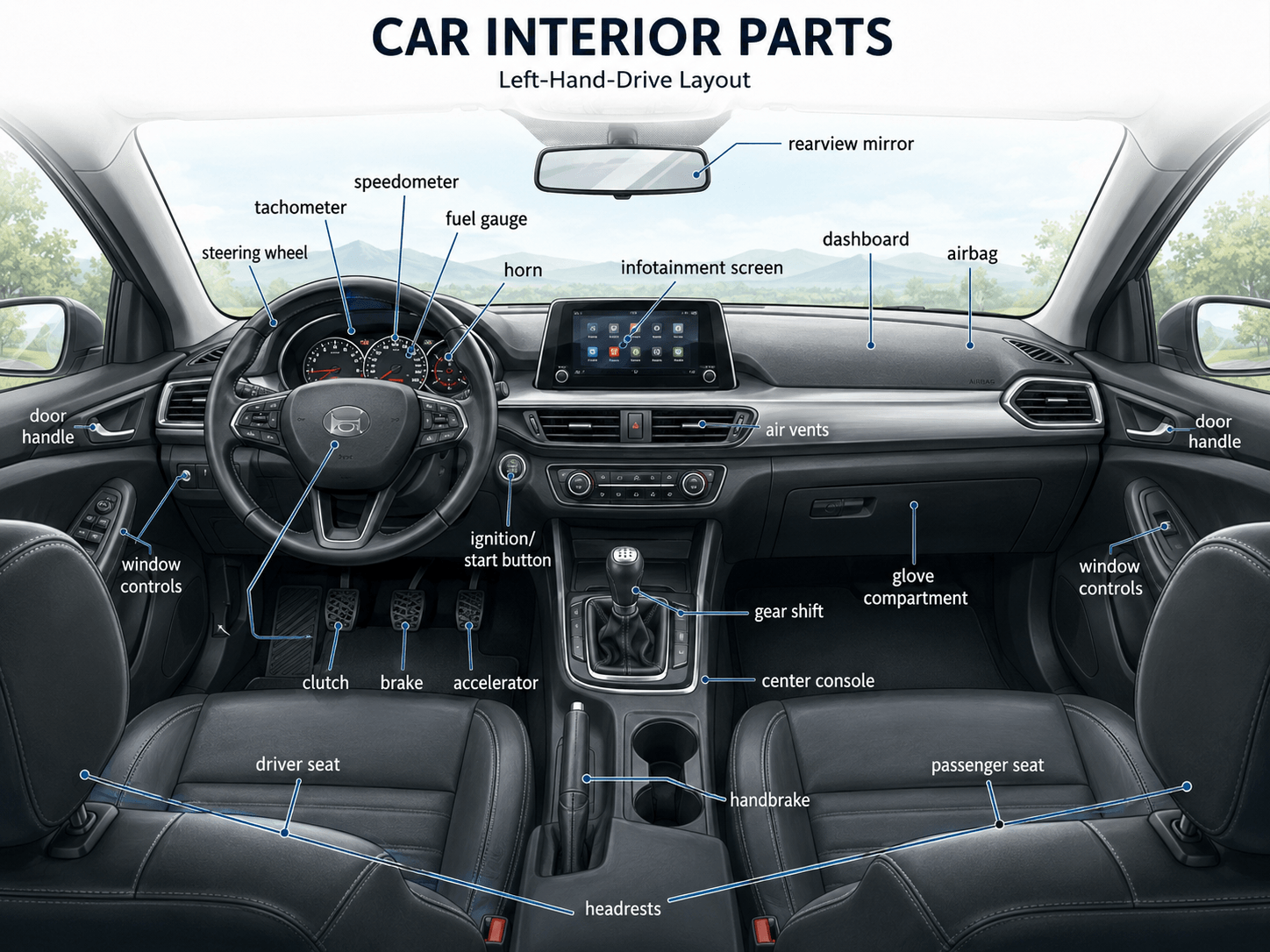

Contents
- Bad Fuel Pump Symptoms and Fixes: How to Diagnose and Replace It
- Introduction
- What Is a Fuel Pump?
- Types of Fuel Pumps
- How Does a Fuel Pump Work?
- Where Is The Fuel Pump Located?
- Section 1: Symptoms of a Bad Fuel Pump
- Causes of Fuel Pump Failure
- Section 3: Impact on Car Performance
- Section 4: Diagnosis – How to Confirm a Bad Fuel Pump
- Replace a bad or faulty fuel pump?
- Step-by-Step Replacement
- Step 1 Disconnect Battery Terminal
- Step 2Block off the Rear Wheels
- Step 3 Empty the Gas Tank
- Step 4 Disconnect the Fuel Tank Input Hose
- Step 5 Disconnect the Fuel Lines
- Step 6 Set Tank in Place with Jack
- Step 7 Remove the Gas Tank Bolts
- Step 8 Slowly Lower the Jack
- Step 9 Remove the Fuel Case Cap
- Step 10 Remove Fuel Pump Assembly
- Step 11 Replace the Fuel Pump
- Step 12 Start the Car
- Step-by-Step Replacement
- Section 8: Maintenance Tips
- FAQs
Bad Fuel Pump Symptoms and Fixes: How to Diagnose and Replace It
Introduction
The primary job of a fuel pump is to deliver fuel from the tank to the engine, working alongside several other components. Because of this connection, it is not always easy to immediately recognize when the fuel pump is starting to fail or causing problems.
One of the most effective ways to identify any issue is by understanding how your vehicle normally performs. Pay attention to its usual behavior. Notice if it produces any sound while running and what kind of sound it is. Observe the standard RPM levels and how smoothly the engine operates during daily use.
By carefully observing these details and using the information shared in this guide, you can start to recognize early signs of fuel pump trouble and take the right steps to fix the problem.
A good starting point is to check for common warning signs such as difficulty starting the engine, reduced power, or an uneven idle. These early symptoms often indicate that something is not working properly.
Keep in mind that modern vehicles rely on multiple interconnected systems. This makes diagnosis a bit complex at times. In many cases, identifying the exact issue may involve some trial and error, and it is often helpful to seek assistance from a professional while closely monitoring all the small details.
What Is a Fuel Pump?
From my hands-on experience working around engines, the fuel pump quietly does the heavy lifting by pushing gasoline from the tank into the engine, where it pumps fuel through narrow tubing toward the injection system, ensuring it is properly injected for smooth combustion with air; In older vehicles with a different design, the system still focuses on moving gas, especially in older cars where delivery often relies on a carburetor, and across various types of fuel pumps, whether fitted in a modern vehicle or not, the basic functionality remains consistent, although performance can vary depending on high pressure, mechanical, or electrical pump setups.
Types of Fuel Pumps
Mechanical Fuel Pumps
In older vehicles, mechanical fuel pumps rely on engine power to deliver fuel and typically operate low pressure, making them suitable for carbureted engines.
Electric Fuel Pumps
In contrast, electric fuel pumps are used in modern cars, usually placed inside the fuel tank, where they deliver high pressure fuel for more efficient performance in fuel injected engines
How Does a Fuel Pump Work?
In practical terms, I have seen how mechanical fuel pumps once worked externally near the fuel tank, but with electronic fuel injection, the mechanical pump obsolete shift brought in the electric fuel pump placed inside fuel tank, where it builds positive pressure and sends fuel through gas lines into the engine, staying submerged in cool liquid which lowers explosion risk; a modern fuel pump powered by a direct current DC electric motor efficiently draws fuel and delivers it via fuel injectors as a fine mist into cylinders where it mixes air and spark plugs ignite it so it combusts, while a filter at the intake sifts impurities to protect the fuel lines and prevent them from contaminate engine, and with an electronic fuel pump, real benefits come through less fuel consumption and continuous metering controlled by the vehicle electronic control unit ECU, allowing predelivery without relying on RPM to operate pump, which is why new vehicles can use auto start stop systems where engines stop, then restart, staying not idling instead of running in continuous idle.
Where Is The Fuel Pump Located?
The real magic starts where most people never look, inside the tank. The fuel pump inside tank is not just sitting there, it is part of a complete fuel pumps assembly that includes a float and a sensor constantly tracking levels. In setups using gasoline direct injection or GDI, things get even more interesting because there is another pump positioned near the fuel rail, working alongside the main system. The in-tank unit quietly pulls fuel through a filter placed at the bottom of tank, then steadily supplies fuel through the outlet tube toward the engine, maintaining consistency you rarely notice until something goes wrong.
Now in GDI systems, the workflow feels almost like a relay. The primary pump begins the job, but it is the second pump that really steps things up. This secondary unit is driven by camshaft, which means it does not just move fuel, it actively compresses fuel and pressurizes fuel right before it reaches combustion. I have personally noticed that this layered approach allows better control and efficiency, especially under load, something older systems could never match.
Section 1: Symptoms of a Bad Fuel Pump
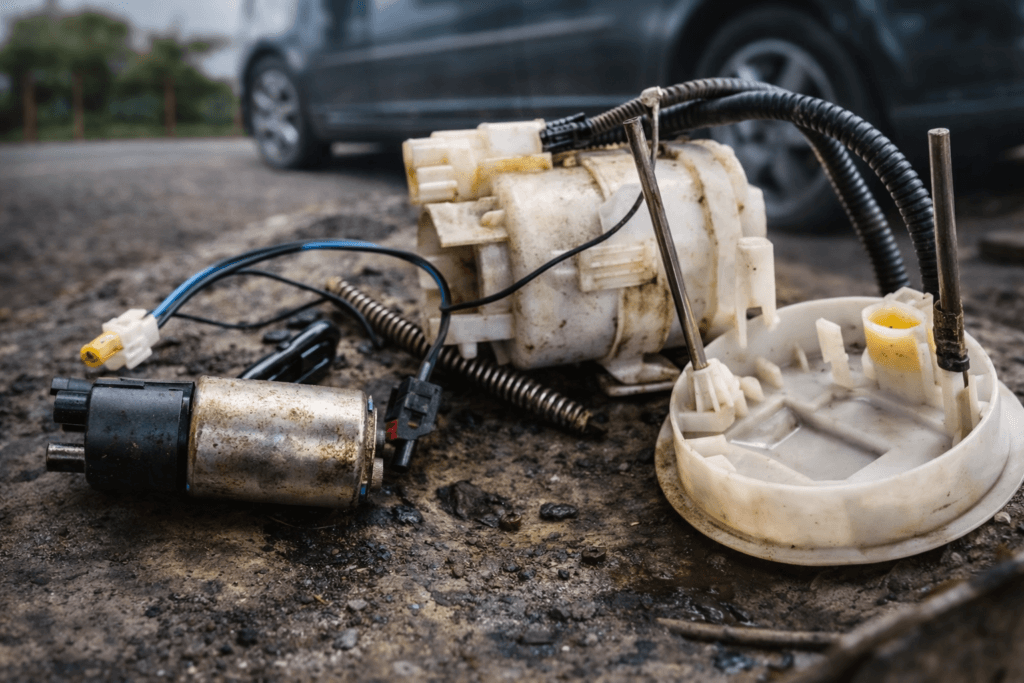
1. Engine Sputtering at High Speeds
While testing vehicles on long routes, I have often noticed that when an engine sputters at high speeds, it usually starts when the car hesitate or jerk during driving highway speeds, especially if there is a weak fuel pump. This typically happens because the engine needs more fuel than the pump can deliver, which breaks the expected smooth ride and makes the car choking for a second or two. Many drivers brush it off initially, but when it keeps happening, it becomes important to consider getting checked out, as this pattern clearly falls under common fuel pump symptoms.
2. Check Engine Light
During diagnostics, I have seen many cases where the check engine light suddenly shows up, and although it can mean different things, one hidden cause is a fuel pump that is not keeping steady pressure. Modern car sensors quickly notice fuel delivery off and immediately trigger warning, even if you do not yet feel difference in how the car drives right away. Still, the light means something not right, and when the light appears alongside other fuel pump symptoms, it is always a smart move to get it looked at before the issue becomes more serious.
3. Hard Starting
I have personally noticed during diagnostics, a failing fuel pump often shows up first as hard starting, especially when the fuel pump weaken begins due to wear over a period of time, since it runs continuously whenever the switch on position keeps the ignition running, and even though a bad fuel pump can still deliver fuel, the lack of supply causes the engine crank longer than normal or even crank multiple times just to start it, which is usually one of the earliest warning signs many drivers overlook.
4. Engine Surging
While diagnosing real cases, I have seen how a failing fuel pump can make a vehicle suddenly surge, often indicating the fuel pump needs to be replaced, because this surging tends to appear at a random constant speed, and when it happens regularly, it is possibly linked to a bad fuel pump struggling to maintain consistent fuel delivery.
5. Frequent Stalling at High Temperature
Frequent stalling linked to low fuel pump pressure can be caused by multiple problems, but when a car starts stalling regularly at high temperature, it is often a warning sign worth checking closely. A normal functioning car should not stall just because of high temperatures, so if it begins to stall over and over again as the engine temperature rises, it becomes important to verify for certain whether the issue points to fuel delivery weakness and then replace fuel pump if needed.
6. Engine Stuttering
A stuttering engine is often one of the surest signs of a bad fuel pump, especially when driving at high speed and the engine suddenly stutter despite previously running normal. This kind of behavior is a strong indication of a problem with fuel pump or even a fuel injector failing, since both the fuel pump and fuel injectors play a role in not letting enough fuel reach the engine at the proper pressure. In real diagnostics, I usually survey fuel pump first and then survey fuel injectors to narrow down the exact problem without replacing parts blindly.
7. Low Gas Mileage
Low gas mileage often appears as one of the overlooked bad fuel pump symptoms, especially in engines like the 6.0 Powerstroke, where you notice yourself filling up the gas tank far more than you used to, and in many cases a bad fuel pump with a faulty internal valve or a fuel pump sized issue starts expelling more fuel than needed, even when the engine requiring less, which leads to excess fuel being wasted, and this kind of engine problem keeps expelling more fuel without proper control.
8. Loss of Power Under Stress
From hands-on testing across both diesel engines and petrol powered engines, I have seen how poor fuel pumps directly cause loss of power when the vehicle is under stress, especially while carrying too much weight, accelerating, or going uphill. In such situations, the fuel pump cannot supply the increasing demands of the engine system, which leads to weak response or even an engine stall. At this point, the power cannot go where it is needed, the vehicle cannot move properly, and it becomes clear that the fuel pump at fault has reached a critical stage where it cannot regulate or export sufficient fuel to keep the engine system running smoothly.
9. Whining Sound from Gas Tank
The fuel pump symptoms become obvious when a Honda Accord or any auto vehicle model starts producing a noise that is loud enough with a clear whining sound coming from the car. Instead of the usual humming sound that signals the system works as designed, a very loud howl or whine while the engine is running often points toward a fuel pump deteriorating or turning weak. This kind of loud whining emanating from the gas tank is a strong sign of a fuel pump failing, sometimes also signifying the fuel level is at least low, even less than ¼ of a tank, or in some cases there is water in the gas tank, which further stresses the system.
10. Car Will Not Start
From practical diagnostics, one of the most frustrating cases is when a bad fuel pump turns into a severe symptom where the vehicle will not start at all. When the fuel pump totally fails, it ends up not providing enough pressurized fuel, which disrupts the fuel vacuum and causes the vehicle refuse to start completely. In such situations, the vehicle engine may still revolve normally when you turn the key, but it remains unable to start due to low fuel pressure or even no fuel pressure. Since there can be different causes behind a vehicle not starting, I always recommend to properly diagnose your car when these symptoms appear to avoid unnecessary part replacements.
11. Increased Engine Temperature
While diagnosing overheating complaints, fuel pump malfunctions often go unnoticed when it does not export the right quantity of gas into the engine system, which gradually leaves the engine overstressed and leads to a managed rise in temperature, and in many cases I have traced the issue back to a clogged gas strainer or even a failing component acting as a characteristic sign of a half functioning fuel filter, both of which disturb proper fuel flow and heat balance inside the system.
Causes of Fuel Pump Failure
In real-world usage, fuel pumps are designed to last a long time, but being among critical engine components, they remain prone to wear and tear over time, especially since they operate as a part of a system where they can easily be impacted if other components get damaged.Simply knowing symptoms of a failing fuel pump is essential, but familiarizing yourself with the common causes behind fuel pump failure is equally important, because these underlying reasons are what ultimately lead the fuel pump toward malfunctioning:
1. Contaminated Fuel
Contaminated fuel is a common issue where dirt, debris, sediments, and microorganisms contaminate fuel, leading to blockages that clog fuel pump parts and clog filter, which can quickly damage pump performance.
2. Wear and Tear
Over time, simple wear and tear from constant exposure to heat and daily wear can result in a damaged fuel pump or completely worn-out fuel pump, even without a single major fault.
3. Electrical Issues
Electrical issues such as blown fuses, a defective fuel pump relay, or faulty wiring act as common culprits behind fuel pump failure, since they can prevent pump receiving power and directly impact ability to deliver fuel to the engine.
4. Damaged Fuel Filter
A damaged fuel filter or clogged fuel filter can severely restrict fuel flow, placing added strain on the fuel pump, which can lead to damage and eventually result in eventual failure if ignored.
5. Wear and Tear
Over time, simple wear and tear from constant exposure to heat and daily wear can result in a damaged fuel pump or completely worn-out fuel pump, even without a single major fault.
6. Overheating
When I inspect failures, overheating often traces back to running out of fuel or consistently low fuel, which can damage fuel pump components as it runs dry, eventually causing the fuel pump overheat under stress.
Section 3: Impact on Car Performance
Performance Issues
From what I have seen on real breakdown cases, when a fuel pump fails, the experience quickly turns into a rough ride or sometimes no ride at all, as clear performance issues start to show, the car may lose power, struggle to accelerate, or even stall out entirely without warning.
Increased Costs
What many drivers overlook is how this failure leads to increased costs, since the system begins to burn more fuel inefficiently and often results in repeated repairs if the root issue is ignored.
Safety Concerns
More importantly, there are serious safety concerns, because when a car stalls unexpectedly, it can create a dangerous situation, especially in heavy traffic or while driving on the highway.
Section 4: Diagnosis – How to Confirm a Bad Fuel Pump
Listen for Whirring Sounds
Start by turning the ignition key and pay attention to the sound. A smooth, soft humming noise usually means the fuel pump is operating correctly, while any unusual or rough sound during engine start can indicate a developing issue.
Check Fuel Pressure
Use a pressure tester at the fuel pressure port and run the engine. If the pressure is lower than expected, it often points toward a weak or failing fuel pump.
Examine Electrical Wirings
Inspect the wiring system for faults such as loose connections, corrosion, or melted wires. A digital volt meter can help confirm proper voltage flow and continuity within the circuit.
Inspect Fuel Filter
Check the fuel filter for blockage or contamination. Dirt and debris can build up over time, restricting fuel flow and causing strain on both the pump and the engine.
Scan for Trouble Codes
Run a diagnostic scan using an OBD-II scanner to identify any stored fault codes. Codes like P0230 or P0148 can help confirm issues related to fuel pressure or supply.
Conduct Visual Inspection
Look closely at the fuel pump and fuel lines for any visible leaks, cracks, or physical damage that could affect fuel delivery and overall performance.
Replace a bad or faulty fuel pump?
Step-by-Step Replacement
Step 1 Disconnect Battery Terminal
Start by using a screw driver to disconnect battery terminal and fully disconnect car battery negative terminal so there is no power going to car, this prevents danger if you grind something by accident, as even a small spark can ignite fuel.
Tip
Carry out basic research on your car, then open the car trunk, lift carpet to gain access to the top of fuel tank near the rear seat, so you can check everything before you drop the tank.
Step 2Block off the Rear Wheels
Next, park vehicle on flat ground and block off rear wheels so the wheels stay stable and do not move during the process.
Step 3 Empty the Gas Tank
After that, open the gas tank cover and empty gas tank by draining as much empty fuel as possible, making sure to remove gas so the tank light as possible for easier handling.
Step 4 Disconnect the Fuel Tank Input Hose
Then carefully slide under car and disconnect fuel tank input hose, making sure to disconnect big hose connected from the gas door to the tank.
Step 5 Disconnect the Fuel Lines
Carefully disconnect fuel lines based on your car make and model, since the fuel line may run directly from the fuel tank to the filter, so make sure to disconnect lead and return hose properly to avoid any problem when you lower tank.
Step 6 Set Tank in Place with Jack
Now set tank in place using a jack, make sure you use jack to hold it evenly, then push lightly against the tank so when you remove bolts that are holding tank, the tank fall does not happen suddenly.
Step 7 Remove the Gas Tank Bolts
Next, remove gas tank bolts, usually around 2-4 bolts that hold gas tank, and make sure to remove one at a time for better control.
Step 8 Slowly Lower the Jack
Carefully slowly lower jack while supporting the gas tank, once it is about halfway down, hang gas tank and remove fuel lines along with any remove wires still disconnected, and if everything is clear, you can drop gas tank completely.
Step 9 Remove the Fuel Case Cap
Now remove fuel case cap by loosening the bolts that hold fuel case connected to the filler neck of the tank.
Step 10 Remove Fuel Pump Assembly
Next, remove fuel pump assembly carefully from the gas tank, disconnect the lead and return hose, take out the fuel strainer, and handle the fuel pump attached with the gauge regulator that indicates gas level in the tank.
Step 11 Replace the Fuel Pump
After that, replace fuel pump by first remove assembly and take apart fuel pump, then either replace entire assembly with a new pump or replace fuel pump itself if it is the cause of issue, making sure everything is mounted nice and smooth, also replace strainer, then start putting assembly back into the tank using the reverse procedure, align the arrow on the fuel filter while putting back, and finally fill tank with previously fuel removed.
Step 12 Start the Car
Finally, start the car, start it up and make sure everything works as per diagnostics of a poor fuel pump, then check by turning the ignition switch to run position, shut off, and again turn to run position a couple of times to pressurize fuel and fill fuel lines with gas since we emptied fuel while we changed pump
Section 8: Maintenance Tips
Keep Your Tank at Least a Quarter Full
Always keep the tank at least a quarter full so it can keep pump cool and prevents overheating during regular driving.
Replace Your Fuel Filter Regularly
Make sure to replace fuel filter regularly because a clogged filter creates extra strain on the pump and reduces efficiency.
Use High-Quality Gas
Using high quality gas ensures clean fuel, which reduces risk of debris buildup and avoids damaging pump over time.
FAQs
How Long Does a Fuel Pump Last
A fuel pump is designed to last up to at least 100000 miles before it starts showing signs of wear.
Can You Jump a Car with a Bad Fuel Pump
You can jump a car if there is a dead battery or poor key starting activity, but a bad fuel pump or failed pump will not work with a jump, so even if you have diagnosed failed pump symptoms, proper diagnosis thoroughly of the bad pump in the entire fuel system is required.
Can a Fuel Pump Be Repaired, or Must I Always Replace It
A fuel pump cannot truly be repaired, so if you are experiencing issues caused by fuel pump, then replacement necessary, and keeping your car fuel filter clean helps avoid costly fuel pump replacement.
How Much Does It Cost to Replace a Fuel Pump
A cost to replace fuel pump depends on vehicle, but fuel pumps typically cost between 400 dollars and 1000 dollars.