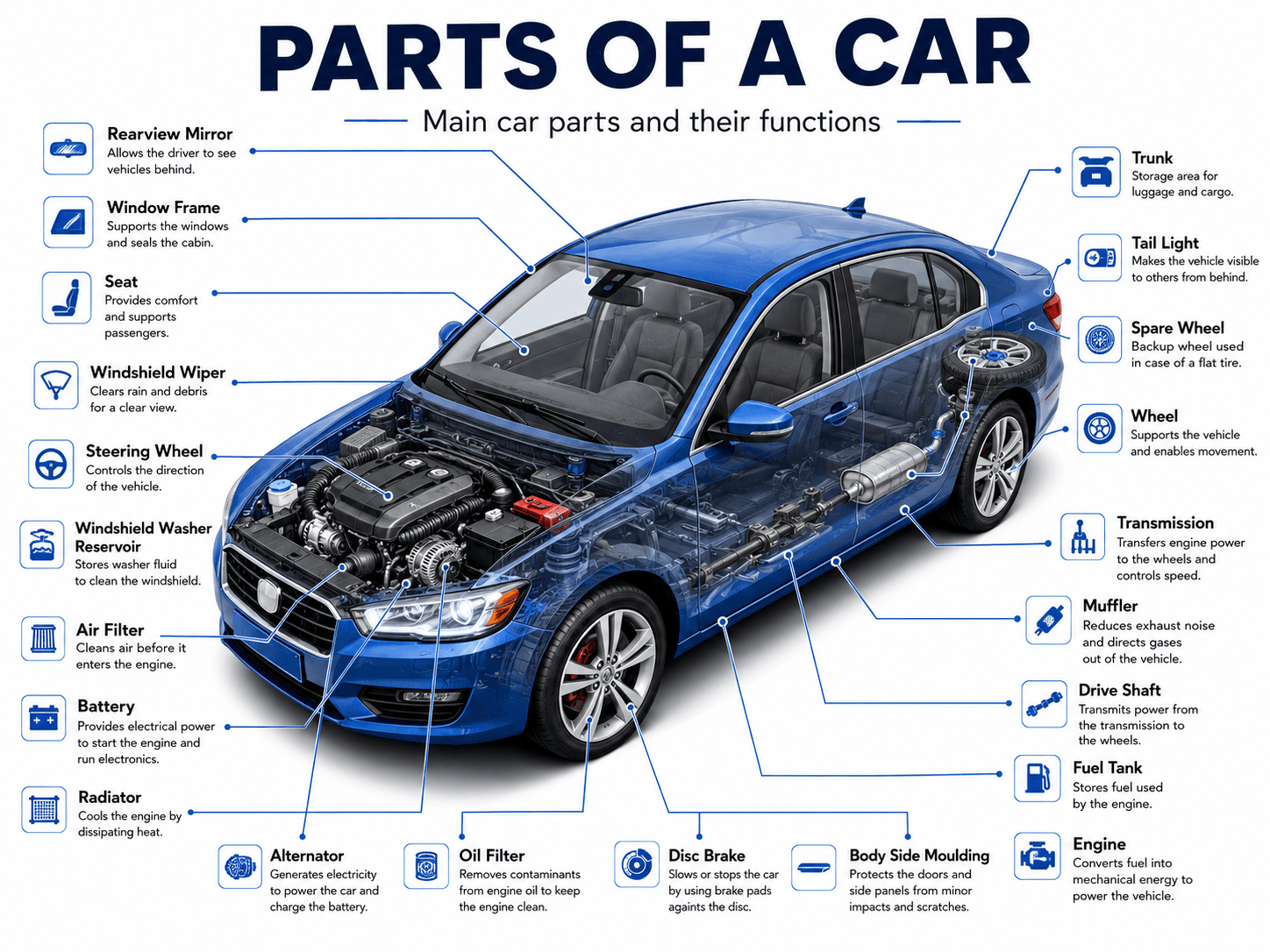

A power steering fluid leak means the steering system is losing the hydraulic fluid that helps the steering wheel turn smoothly. Common signs include red or pink fluid under the car, stiff steering, whining noises when turning, and low fluid levels. If ignored, the leak can damage the pump, hoses, seals, or steering rack and make the vehicle harder to control.
Contents
- What Is Power Steering Fluid, Anyway?
- What Does Power Steering Fluid Look Like?
- Common Causes of Power Steering Fluid Leaks
- Common Signs of a Power Steering Fluid Leak
- Why Is a Power Steering Leak a Serious Issue?
- DIY or Professional Repair?
- FAQS (People May Ask)
- Can You Drive With Power Steering Fluid Leaking?
- What Can Cause My Power Steering Fluid to Leak?
- Is It Expensive to Fix a Power Steering Fluid Leak?
- What Can I Use to Stop Power Steering Fluid From Leaking?
- How Long Does It Take for a Stop Leak to Work?
- Where Is the Most Common Place for a Power Steering Leak?
- FAQS (People May Ask)
- FINAL WORDS
What Is Power Steering Fluid, Anyway?
Power steering fluid is a hydraulic fluid that keeps your steering system healthy and helps it operate smoothly every time you drive. It gives you the ability to turn the wheel effortlessly even at low speeds or when completely stopped. The fluid moves through hoses and valves and builds pressure inside the steering gear that assists with every turn of the wheel — whether you are getting through tight spots or doing slow maneuvers while parking. But when your vehicle starts leaking it steering gets difficult fast. You slowly start losing the control you need to steer safely and that is when things get risky.
What Does Power Steering Fluid Look Like?
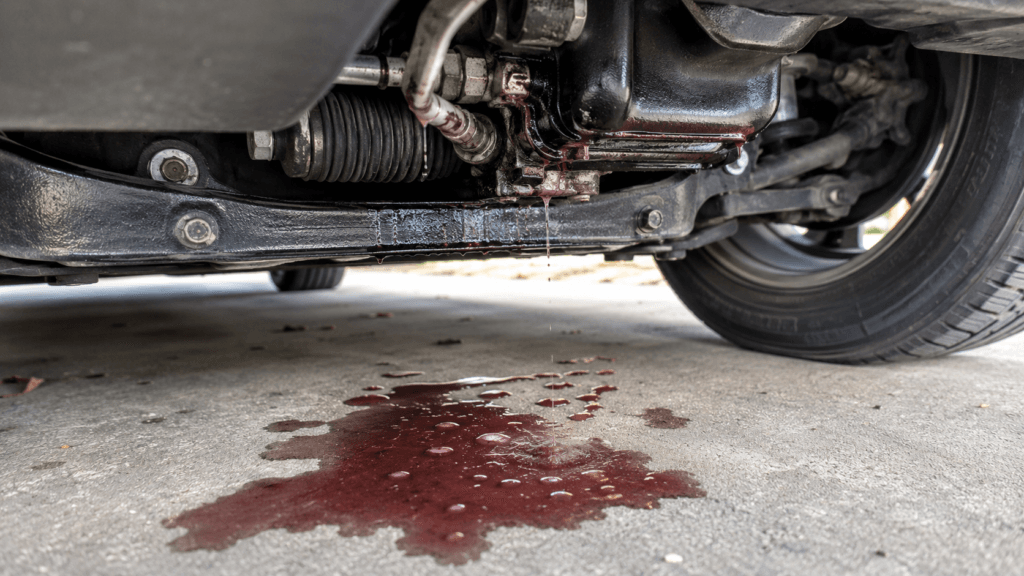
If you have spotted a puddle under your car and you are unsure what is it, then identifying it is the first step before jumping to the conclusions. Power steering fluid usually comes in red or pink in color but it can slowly darken to a brown shade as it become old.
The texture feels slick and oily which makes it look a lot like transmission fluid so it can be easy to mix the two up. In terms of location you will mostly find it toward the front of the car somewhere around the engine bay. If you are still unsure about the leak just bring your vehicle in for a complimentary inspection and we will pinpoint the exact source of the problems and walk you through exactly what is going on.
Common Causes of Power Steering Fluid Leaks
Several parts of the power steering system can leak over time, but most problems usually start from worn seals, damaged hoses, weak fittings, or a failing pump.
Worn or Damaged Power Steering Pump
The power steering pump sits right at the heart of your car’s steering system and its main job is pressurizing the fluid so you can steer with minimal effort. But over time the seals inside the pump start to go brittle and worn out which leads directly to fluid leaks. If the pump itself gets damaged it can develop cracks that let the fluid escape without you even realizing it.
The most common signs are whining noises when turning the wheel or sometimes, your steering suddenly feeling stiff and heavy while driving. These are clear signals that the pump is the main source of the problem and ignoring them only makes things worse. In most cases the pump or its seals will need to be replaced as soon as possible to prevent further leaks and stop any additional damage from spreading.
Leaking Power Steering Hoses
Power steering hoses carry the fluid back and forth between the pump and the steering gear and they do this constantly under high pressure.
That constant pressure over time causes them to wear out and develop cracks especially around the joints and fittings where the stress is highest. Even a small leak in one of these hoses is enough to cause a noticeable drop in fluid levels and if you leave it unchecked, it will eventually lead to real difficulty steering.
The easiest way to catch it early is to spot fluid on the ground under your car or notice a puddle that looks oily beneath the engine area.
If that sounds familiar then one of your hoses is likely the culprit. The good news is that replacing them or their fittings is a pretty common repair for power steering fluid leaks and it does not have to turn into a big job if you catch it in time.
Worn O-Rings and Seals
O-rings and seals are small but crucial components of your power steering system and their whole job is keeping the fluid properly contained inside the system.
These rubber parts hold up well for a while but over time and especially under high heat or after many years of use they start to go worn out dry and cracked. Once they fail the fluid starts leaking at various points including the pump the hoses and even the steering gear.
The good part is that identifying the leak source and replacing these components is actually a pretty inexpensive fix compared to what ignoring it could cost you later.
Steering Rack or Gearbox Leak
The steering gear and rack are a critical component of your power steering system and they work by converting hydraulic pressure from the power steering fluid into actual movement that helps you steer the car.
But over time the seals inside the steering rack and gearbox start to wear out or get damaged which causes leaks that slowly get worse if ignored.
You will usually notice it when your steering feels less responsive or suddenly demands more effort especially at lower speeds. That is a clear sign there is a real issue somewhere in the system. Because of the complexity of this part repairing or replacing it can be a bit more involved than other fixes but stopping the leak and restoring proper functionality is absolutely necessary before it affects your ability to drive safely.
Reservoir Tank Issues
The reservoir tank is what holds the power steering fluid and keeps it moving as it circulates through the system. When this tank gets damaged or develops cracks it causes a noticeable fluid leak that you really should not ignore.
The good news is that replacing the reservoir is generally a pretty straightforward and easier fix compared to most other power steering problems.
But if you leave it unattended a cracked tank will cause the fluid levels to drop way too low and that directly starts impacting your ability to steer safely which is when a simple fix turns into something much more serious.
General Wear and Tear
Vehicle components are not built to last forever and general wear and tear is honestly one of the most common reasons power steering issues show up in the first place.
Everything wears down over time no matter how well you drive or how carefully you treat your car. That is exactly why staying on top of regular maintenance matters so much because catching small problems early is always easier and cheaper than dealing with the damage that builds up when you don’t.
Loose or Poor Connections
Fluid leakage does not always come from a big internal failure — sometimes it is as simple as loose or failing fittings around the pump or hoses. These connections take on constant pressure every time you drive and over time they naturally start to loosen up or break down. It is a small thing but it can cause a steady drip that slowly drains your fluid levels if nobody catches it in time.
Common Signs of a Power Steering Fluid Leak
A power steering fluid leak usually shows clear warning signs before the system fails, and catching them early can help you avoid stiff steering, pump damage, and costly repairs.
Red or Pink Fluid Under the Car
Spotting visible fluid leaks early can save you from a much bigger headache later. If you notice a puddle of fluid pooling underneath your vehicle after it has been parked that is already a clear sign of a leak. Power steering fluid is usually reddish or pinkish in color and sometimes turns reddish-brown as it ages with an oily texture that makes it easy to identify under your car. Do not ignore it.
Steering Wheel Feels Stiff or Heavy
Difficulty steering is one of the most noticeable signs that something is wrong. When power steering fluid gets depleted from the system due to a fluid leak your steering wheel starts to feel stiff and suddenly becomes difficult to turn. What used to feel effortless now takes real effort just to turn the wheel in either direction. The fluid is what allows you to turn the steering wheel easily and once levels drop low that smooth response disappears fast.
Whining or Groaning Noises
Those whining or groaning noises you hear while turning the wheel are not random. They actually mean something. Your power steering pump starts struggling to maintain pressure when low fluid levels leave it without enough to work with and that struggle is exactly what creates those unusual noises. Do not wait for them to get louder before doing something about it.
Dashboard Warning Lights
Your car is smarter than most people give it credit for. When something goes wrong with the steering system it does not just sit quietly and wait — the dashboard warning lights fire up to grab your attention directly. A lot of drivers see these lights and assume they will go away on their own. They won’t. If a light connected to your steering system shows up on the dash take it seriously and get it checked before a small issue turns into real damage.
Visible Drips or Residue
Sometimes the answer is right there in front of you. Pop the hood and take a quick look around the steering pump and hoses — if you spot visible drips or built up residue in those areas then fluid is clearly escaping from somewhere it should not be. Fresh drips usually point to an active leak happening right now. Old residue around the hoses or pump means it has likely been leaking for a while without anyone catching it. Either way the longer it sits without being addressed the worse and more expensive it gets.
Why Is a Power Steering Leak a Serious Issue?
A power steering leak is a genuine serious issue that most people tend to put off thinking it will sort itself out. It won’t. The absence of power steering fluid quickly turns into a real safety issue while driving because you suddenly have to work harder and exert way more extra effort just to move the steering wheel. This gets even worse at lower speeds where you need to make tighter turns. For many drivers this constant physical strain becomes tiring very fast and for those dealing with mobility issues or physical limitations it can cause real discomfort in the arms and shoulders. But the safety side is just one part of it. Ignoring these leaks and the lack of fluid leads to serious vehicle damage across multiple components including the power steering pump pump vanes shaft rack seals and even the drive belt. The longer you delay service the more extensive and expensive that further damage becomes.
How to Diagnose a Power Steering Leak?
Diagnosing a power steering leak is actually not that complicated if you know what to look for. Start by knowing the color of power steering fluid — it is typically reddish-brown and that alone helps you identify it quickly. If you suspect something is off just pop open the hood of your vehicle and check the tank directly. If it looks low in fluid or completely absent of fluid then your suspicions are most likely correct and you should seek service right away. It is also worth checking around the front wheels since that is a pretty common area where leaks show up based on where the tank sits under the hood. Beyond that pay attention to the signs and symptoms your car is already showing you. A steering wheel that feels difficult to turn or unusual noises while turning the wheel are both strong signs of fluid issues that need to be taken seriously.
What to Do If You Notice a Power Steering Fluid Leak
- Check fluid levels yourself if you feel comfortable doing it. Pop open the hood and look at the power steering fluid tank — if it looks low or almost empty that is already telling you something is wrong and it is time to act.
- Avoid topping off the fluid over and over again thinking it will solve the problem. It will not. Refilling is only a temporary fix and the real leak is still sitting there getting worse every time you drive.
- Do not drive long distances if your steering already feels stiff or unresponsive. Pushing the car when the system is struggling puts serious strain on the pump and other components and what starts as a minor issue can turn into a much bigger and more expensive repair very quickly.
DIY or Professional Repair?
Not every power steering leak needs a mechanic right away. Something simple like a loose or missing tank cap is something you can easily spot and fix yourself. But beyond that kind of basic issue you really want to seek professional service and let a professional mechanic properly inspect your vehicle diagnose the root cause and make all the necessary fixes the right way.
That said there is something practical you can do on your own while you wait to get it serviced. Just locate the tank remove the cap and add fluid until you hit the full mark making sure you are always using the right type of fluid.
Keeping fluid levels adequate in the meantime helps you address the situation responsibly and avoids many of the worst-case scenarios that come from letting a power steering leak go completely untreated. Handle it promptly and you save yourself a lot of problems down the road.
FAQS (People May Ask)
Can You Drive With Power Steering Fluid Leaking?
Technically yes but it is not a good idea. A power steering fluid leak puts constant strain on the pump and makes steering feel heavier over time. Short trips are manageable but driving long distances without fixing the leak can turn a simple repair into a very expensive one.
What Can Cause My Power Steering Fluid to Leak?
Several things can trigger a power steering fluid leak. Worn seals and O-rings crack over time and worn out hoses weaken under constant pressure. A damaged power steering pump a cracked reservoir tank or even a loose cap can all be the source. Age and heat speed up all of these issues.
Is It Expensive to Fix a Power Steering Fluid Leak?
It depends on where the leak is coming from. Replacing a cap or O-rings is fairly cheap. A damaged pump or steering rack costs more. Catching it early almost always means a smaller bill so do not wait.
What Can I Use to Stop Power Steering Fluid From Leaking?
There are stop leak products available that can slow down or temporarily seal minor leaks. They work by conditioning the seals and O-rings to reduce fluid escape. But they are a short term fix not a permanent solution and should never replace proper professional repair.
How Long Does It Take for a Stop Leak to Work?
Most stop leak products start working within two to three days of normal driving. Some show results faster depending on how severe the leak is. Keep in mind this is a temporary fix and getting the actual problem properly repaired is still the right move.
Where Is the Most Common Place for a Power Steering Leak?
The most common spots are around the power steering pump the hoses and the steering rack. Leaks near the joints and fittings of the hoses are especially frequent since those areas handle the most pressure on a daily basis.
FINAL WORDS
A power steering fluid leak is not something you should ignore, even if it looks like a small drip at first. Once the fluid level drops, the steering can become stiff, noisy, and harder to control, especially at low speeds or during tight turns. Checking the fluid level can help for a short time, but the real fix is finding where the leak is coming from and repairing it before it damages the pump, hoses, seals, or steering rack.